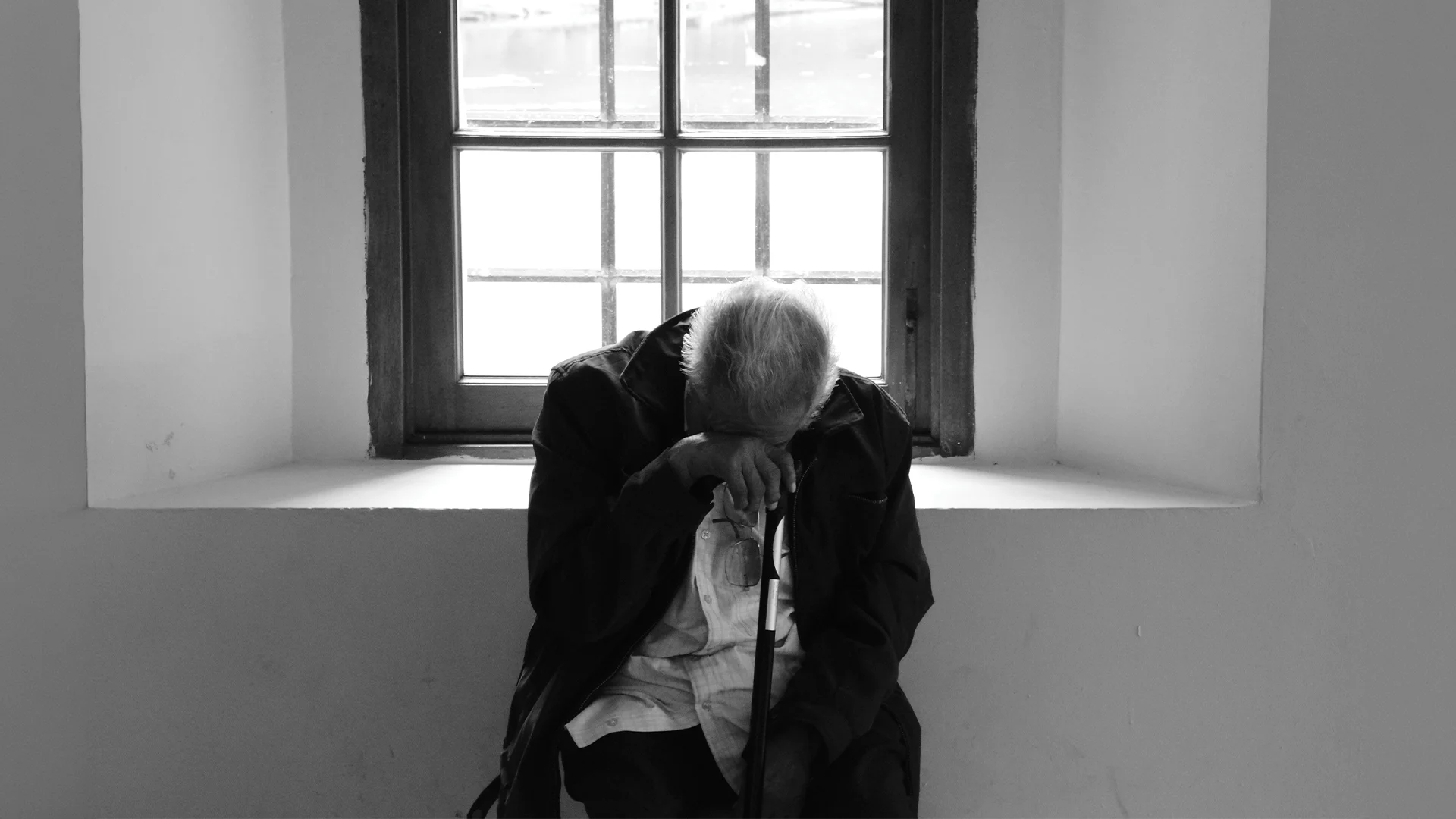
I have lived with cerebral palsy for 72 years. It’s not a path I chose for myself, but one chosen for me by God. Is that a provocative statement? Maybe. And perhaps for some, too simplistic. However, walking, stumbling and, yes, even falling along any path for many years has provided the opportunity for me to consider my own attitude to suffering, as well as the dilemma it presents.
You may ask, as I have, “How can a loving God allow suffering to continue?” In other words, is the existence of suffering compatible with a God of love?
The question can’t be answered by some clever turn of phrase, but by a story Jesus told. It’s a story framed in the context of a bigger picture involving the whole of humanity—and God’s purpose for us. The biblical text reveals God as One who desires a relationship with you and me. In the beginning, Adam and Eve enjoyed a face to face relationship with God.
Regrettably, their relationship with Him was severed and they were banished from Eden because they chose to believe the lies of Satan in preference to the truth of God. Their disobedience—in the taking and eating of forbidden fruit—brought consequences: the sin and death we see in our world today. Yet, we are not without hope. God valued His relationship with us so much that through the death of Jesus our transgressions were forgiven and face-to-face communion will eventually be restored. That’s the promise for all who believe and follow God today.
I must recognise, as we all must, that one of the consequences of the choice made in Eden is the existence of disability. But this is not the work of God. Yes, He permits it, but it is a result of the work of the enemy. Satan is a liar and uses deception in an attempt to discredit God to take us down the path to destruction. God’s path leads to life—eternal life—an existence no longer marred by sin and death.
This redemption story has been told for centuries. It’s a story familiar to many. The danger is that because it’s been around for a long time, we become dismissive of its importance. But as the words of the gospel song, “It’s Not Just A Story” put it, “It’s not just a story; but reality.”
We do a gross injustice to anyone in our community living with a disability when we say, “Jesus can heal you if you have enough faith.” What if the anticipated healing doesn’t occur? It could turn them away from Christ altogether—with eternal consequences.
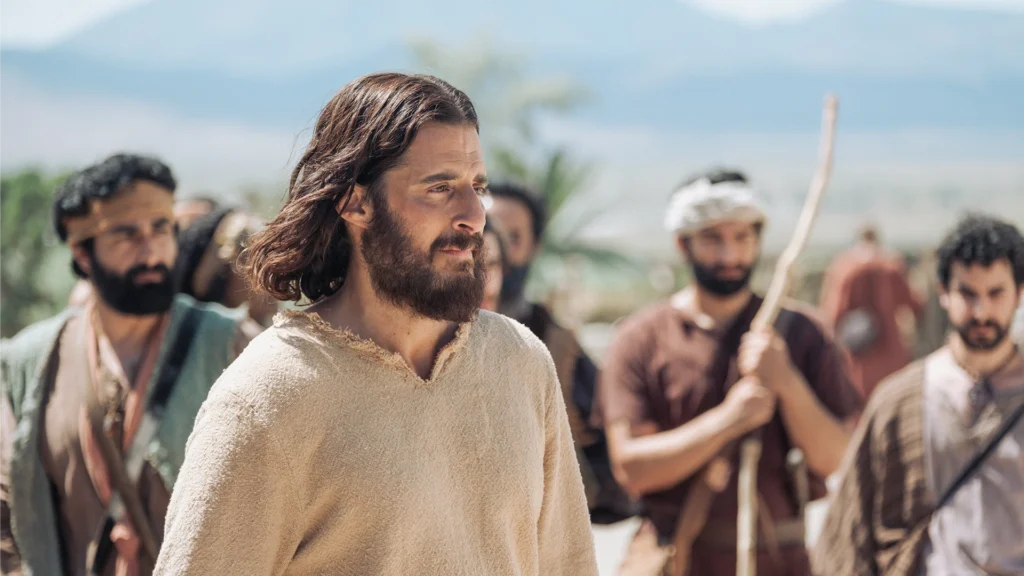
When Jesus walked this earth, He spent much of His time healing the sick. His actions were a fulfilment and declaration of His mission to reach humanity with the gospel. His life embodied the truth about God and His purpose for His creation. Can we place our trust in a God who allows suffering? I believe we can! But how? I believe it is stated best by the biblical phrase, “For we live by believing and not by seeing (2 Corinthians 5:171). What then is faith?
To me, faith is a choice to place my trust in God. That begins by believing He exists and that His Word is true. I naturally love the stories of God’s healing miracles, particularly the healing miracle recorded in Mark 2. It tells of Jesus visiting Capernaum and healing a paralysed man who was let down through the roof of the house where Jesus was staying. What a stir this caused among the stunned onlookers! I like to imagine myself in that scene and feeling the sheer, pulsating joy in the healing presence of Jesus.
In September of 2025, I was anointed. Pastors and elders from my church met with me in my home together with family and friends for a special time of prayer. It was a time of commitment and trust in God who is fully acquainted with every aspect of my life.
Did God remove my disability? No. I still have cerebral palsy. Though it is sometimes a difficult path to walk—and there are many paths I literally cannot walk—I know Jesus is with me. Beside me. Guiding me.
The amazing thing is that “when I am weak, then I am strong” (2 Corinthians 12:10). That’s a divine paradox! God has acquainted me with my human weakness so I can discover His divine strength. The Lord told the apostle Paul, “My grace is all you need. My power works best in weakness” (2 Corinthians 12:9).
Yes, I believe that suffering is compatible with my belief in a loving God. For me, the ultimate proof of that reality is Jesus’ reconciling, redemptive death on the Cross at Calvary. It was for me. It was for you. It’s for every soul who accepts it. Jesus will forever bear the marks of that sacrifice. The suffering we experience in this life is not permanent.
The apostle Paul puts it this way: “For our present troubles are small and won’t last very long. Yet they produce for us a glory that vastly outweighs them and will last forever! So we don’t look at the troubles we can see now; rather, we fix our gaze on things that cannot be seen. For the things we see now will soon be gone, but the things we cannot see will last forever” (2 Corinthians 4:17,18).
I invite you to believe the story and to trust in the God who wrote it.
All Bible references taken from the NLT.
Geoffrey Panckhurst writes from Ringwood, Victoria.