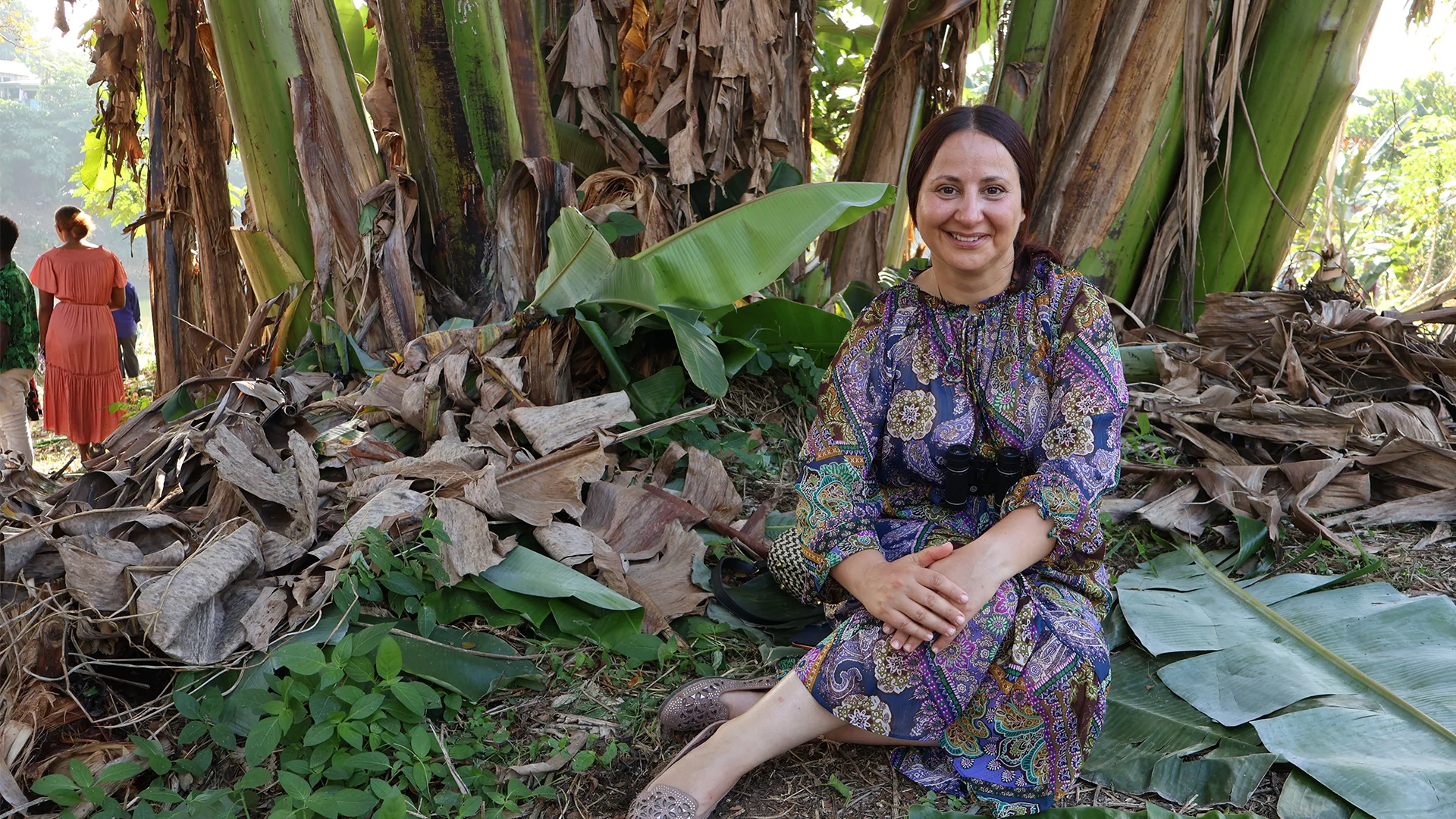
After seeing firsthand the devastating consequences of betel nut use, nurse practitioner Elena Taneva is on a mission to help people break free from the habit.
During the Solomon Islands for Christ campaign in July, she worked with the Amazing Facts Oceania team which ran mobile health clinics in partnership with 10,000 Toes ambassadors, offering a range of services including oral examinations, medical and nursing care, addiction education, optometry and pastoral support to more than 1000 people.
Betel nut use is widespread in the Solomon Islands, where, though it technically is illegal, is commonly sold on the street. An estimated 80 per cent of the population uses it. Recognising the scale of the issue, the health outreach also included dedicated betel nut workshops led by Ms Taneva.
“The experience convinced me that simply telling people, ‘Betel nut is bad for you’ is not enough,” she says.
“Addiction affects the whole person—the body, mind, family, finances, relationships and spiritual life. People need knowledge, practical alternatives, compassionate support, hope and real connection which makes addiction obsolete.”
Ms Taneva’s enthusiasm for tackling the issue has earned her the nickname, the “Betel Nut Queen”.
“I accept the name with a smile, but I hope the real message behind it is that these individuals matter,” she says. “Every mouth we examine belongs to a person whom God loves.”
Her passion for the issue has also been shaped by her clinical work in Guam, where she diagnoses and follows patients with oral cancer linked to betel nut use, as well as patients experiencing heart failure linked to methamphetamine.
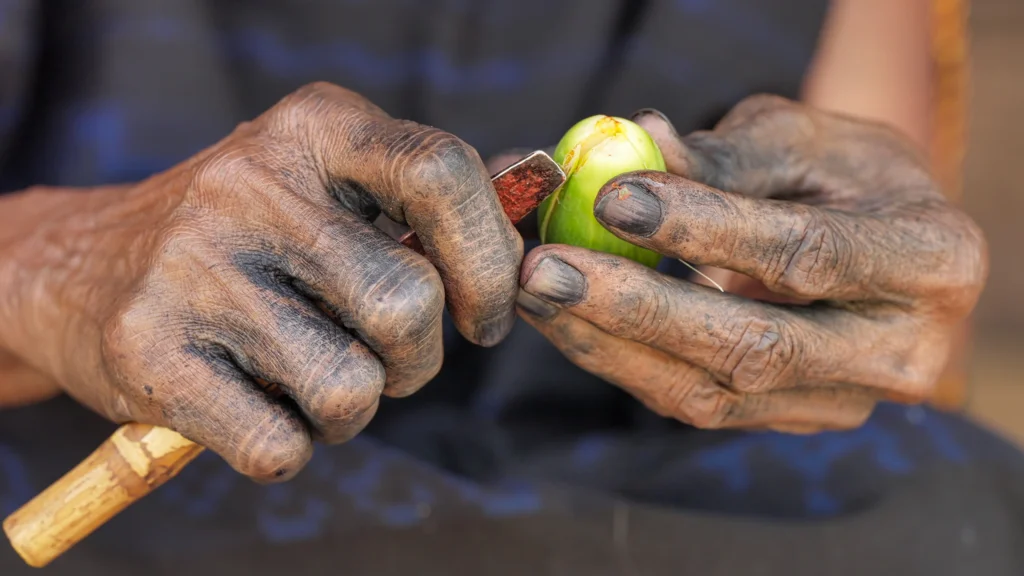
The International Agency for Research on Cancer classifies areca (betel) nut as carcinogenic to humans. Its use is associated with oral cancer and oral submucous fibrosis, a potentially malignant condition that can progressively restrict a person’s ability to open their mouth.
“I have lost so many young patients in their 20s and 30s as a result of betel nut,” she says.
Those experiences have prompted her to look beyond the physical consequences of addiction and consider what drives people to use addictive substances in the first place.
“Rather than simply condemning the habit, I became fascinated by the questions: Why do people chew? What does betel nut provide socially, culturally and psychologically? And if we ask someone to give it up, what are we going to offer in its place?”
That approach is particularly important in South Pacific communities where substances such as betel nut may have longstanding cultural and social associations.
Beyond betel nut
But Ms Taneva’s concerns extend beyond betel nut. She also highlights tobacco and nicotine, alcohol, marijuana and methamphetamine, with the prevalence and impact of each differing between Pacific countries and communities.
Methamphetamine, in particular, is an issue the South Pacific needs to take seriously, she says. A 2024 report from the United Nations Office on Drugs and Crime (UNODC) identified Fiji, Papua New Guinea and Tonga among the Pacific countries particularly affected by methamphetamine trafficking.
“Methamphetamine worries me because it can rapidly affect almost every dimension of life,” she says. “We should not wait until the problem becomes overwhelming.”
She believes churches and health professionals need to understand addiction as more than an individual health behaviour.
“Addiction is biological, psychological, social and spiritual. Therefore, our response must also address the whole person.”
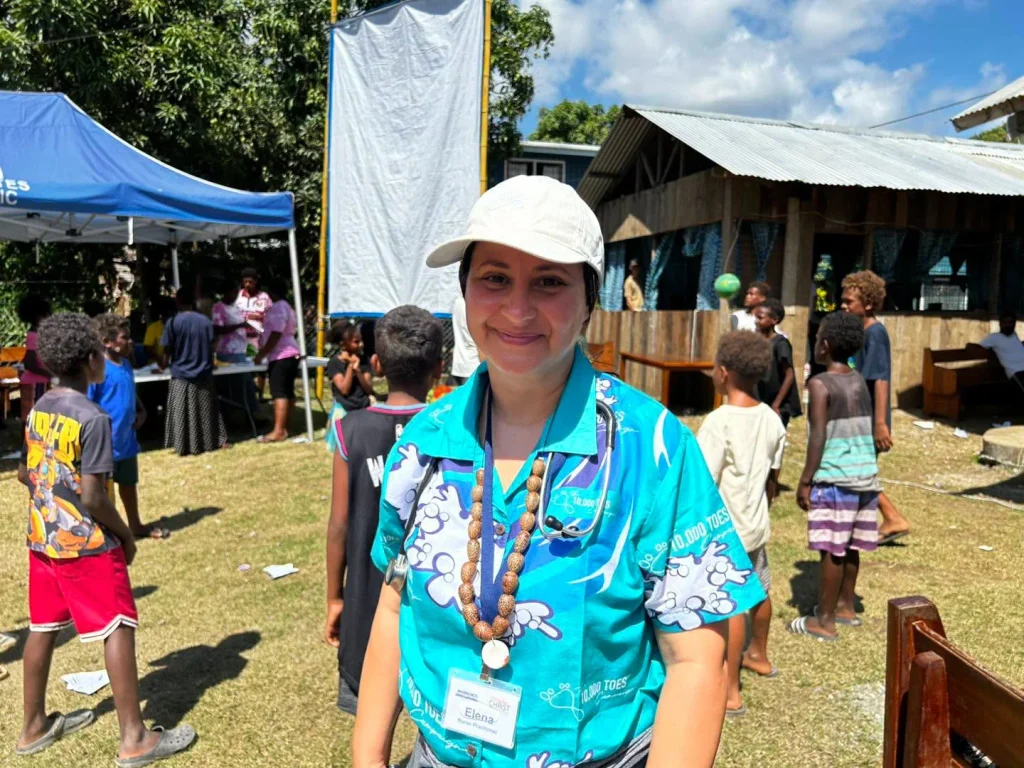
The Solomon Islands outreach provided an opportunity to put the whole-person approach into practice. Instead of relying on confronting images and warnings, participants were encouraged to understand what addictive substances do to the brain and body, recognise warning signs and consider practical strategies for change.
Workshops explored nutrition, hydration, exercise, sleep, stress management, social support, healthy substitutes, strategies for reducing triggers and cravings, and the importance of leaning on God. Prayer was deliberately integrated rather than added as an afterthought.
Ms Taneva was encouraged by the response.
“People were curious. They asked questions. They wanted their mouths examined,” she says. “Some were surprised to discover that something they had considered a normal cultural habit could have major health consequences.”
Importantly, she says people did not feel their culture was being attacked.
“When health education is delivered respectfully, with love and practical assistance, people are very receptive.”
Churches as places of healing
For Ms Taneva, however, workshops and short-term health campaigns can only go so far. Her vision is for Pacific-wide programs providing education, screening, cessation support, referral pathways and spiritual care, backed by trained community health ambassadors.
And local churches could be central to making that vision sustainable.
“The church is uniquely positioned because it already exists in villages, towns and islands where specialised addiction services may never exist,” she says.
“Every church does not need to become a hospital. But every church can become a place of healing.”
That could mean church members learning basic addiction science, organising screening and prevention programs, providing healthy activities for young people, supporting people trying to quit and working alongside healthcare professionals and government services.
But the church also has something less clinical to offer.
Ms Taneva says people may turn to addictive substances because they are tired, lonely, depressed, stressed, traumatised or simply searching for belonging. Removing the substance without addressing the underlying need is therefore unlikely to produce lasting change.
“That is where churches can make an enormous difference because churches can provide something medicine alone cannot manufacture: belonging, purpose, relationships, forgiveness and hope,” she says.
“Imagine churches throughout the Pacific where someone struggling with nicotine, betel nut, alcohol, marijuana or another addiction could walk through the door and find trained people who understand addiction, will not shame them, can connect them with medical care, and will pray and walk with them through recovery.
“That would be a powerful form of medical missionary work, because even if millions of dollars are poured into a particular addiction rehabilitation, unless there is a human touch, recovery would be almost impossible.”
For Ms Taneva, prevention also needs to start early. She is particularly concerned about the influence adult behaviour can have on children’s attitudes toward substance use.
“When children grow up seeing a substance constantly used by adults whom they respect, it can cease to appear dangerous,” she says. “It simply becomes part of everyday life.
“We need to teach young people about the brain’s reward system, dependence, peer influence, emotional health and healthy ways of managing stress before addiction begins.”
A new kind of health ministry
Ultimately, Ms Taneva sees addiction ministry as part of the Adventist Church’s longstanding commitment to whole-person health.
“Jesus ministered to the whole person. He did not separate physical suffering from emotional or spiritual suffering,” she says.
“I believe medical missionary work in the twenty-first century must include addiction ministry.”
Ms Taneva says the South Pacific could become a model for a new kind of health ministry.
“When people discover that Christians genuinely care whether they live or die, whether their children flourish and whether their families remain together, the gospel becomes tangible,” she says.
“It is bigger than betel nut. It is bigger than methamphetamine. It is about restoring the whole person—physical, mental, emotional, social, occupational, environmental and spiritual health.”
And that begins by seeing the person rather than the addiction.
“We should never see an addicted person merely as someone with a bad habit,” she says. “We should see a child of God whose freedom is worth fighting for.”
Tracey Bridcutt is the communication director for the South Pacific Division.