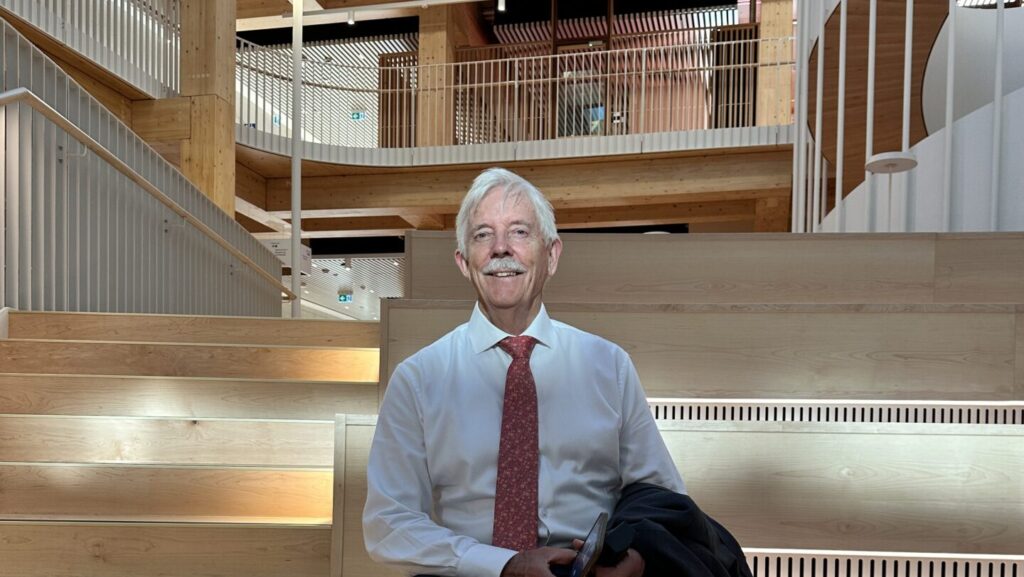
Pastor Saustin Mfune has served the Seventh-day Adventist Church as a pastor, administrator, departmental leader and theology lecturer. He has had a long-standing commitment to Children’s Ministries, including serving as Youth and Children’s Ministries director for the East Africa Division. Now retired, he continues to minister to children in his local church and community, and produce parenting programs for Hope Channel in Malawi. He spoke recently about some of his book projects.
What drew you to Children’s Ministries?
When we were studying at Andrews University, our two children went to public schools. One day after school, they bulleted into the house telling us that the earth took millions of years to evolve. They talked of dinosaurs and where people came from. No God in the picture. When day after day the topic of evolution dominated our home, this concerned us. Not being able to send them to our church school since I was a self-sponsored student, we prayed about it and God gave me a simple chorus on creation. And this became our family theme song. The Creation chorus turned my kids around more than what a thousand sermons on Creation could have done. Seeing this danger, I decided to normalise what was natural for me and to focus my studies on ministry to children.

Why is Children’s Ministries a priority for the church?
At the 2015 General Conference session, two articles reported that more than 13 million people had left the Adventist Church in the previous 50 years. In 2017, I interviewed Dr David Trim, the General Conference’s Director of Archives, Statistics and Research who authored the articles, and he told me that of those who left the church about 4 million has been born in Adventist families. That’s how big this problem is. If this goes unchecked, in the next 50 years, we will lose some 9 million Adventist-born children.
In 1995, the church decided to create Children’s Ministries department to help parents know how to parent their children for heaven. Children are being lost right in our homes. One hour in a week can’t build our children on Christ, the sure foundation. I feel sad when I see that in some places people are emphasising Sabbath school programs and calling them Children Ministries. We need to do more than that.
Tell us about the work you have done to create multi-media teaching resources.
I wrote Musical Journey a musical drama DVD based on CELEBRATIONS [the framework for wholistic healthy living]. In Say No to Drugs, I deal with issues of divorce, low self-esteem and keeping our environment clean. And then there is a comic book entitled Beware of HIV and AIDS.
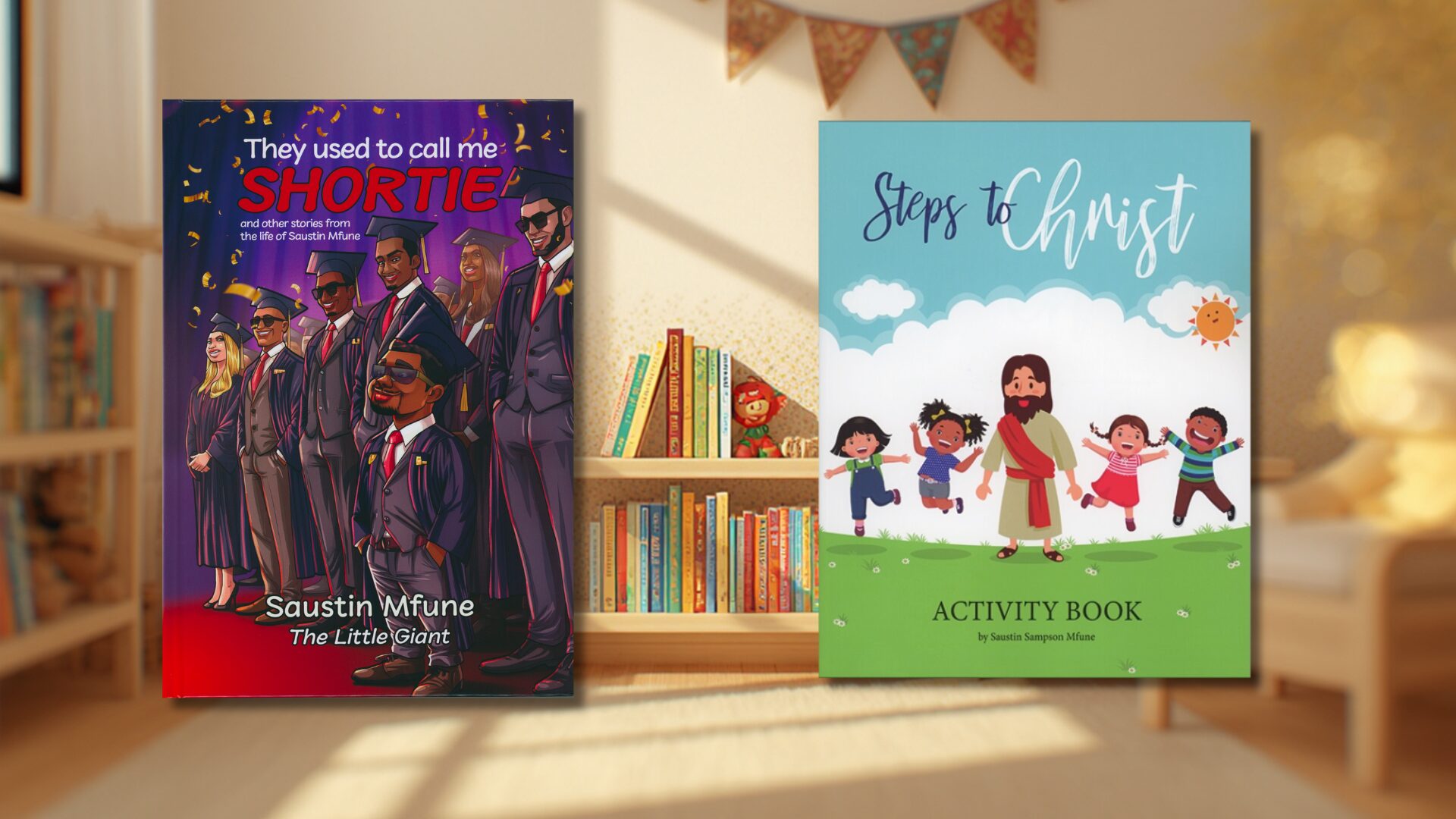
Thinking about They Used to Call Me Shortie, what makes a good story?
Create a plot. Have a protagonist and the antagonist. Create suspense. Be catchy. Hit the emotions. Build to a crisis and climax. Go beyond the five senses. Land—deliver a resolution. Do not explain its meaning. Just tell it. Stick to what happened. If you have told your story well, it will interpret itself.
How did the opportunity come about for you to create this book?
I wrote this book in my retirement. Since people request stories from “Uncle Saustin,” I was forced to come up with new stories that would inspire and motivate my readers.
What impact do you hope your writing and ministry has?
When I am telling the story, I see the impact immediately. Sometimes people write me expressing how they enjoy reading my story books. But at the end of it all, I just hope that when we go to heaven, I will be able to meet someone who was inspired by my books and musical dramas. That’s the whole purpose of ministry.
They Used to Call Me Shortie and other books by Saustin Mfune are available from Adventist bookshops in Australia and New Zealand or online.