This year, my husband and I celebrated 10 years of marriage with a trip to one of our favourite countries: Japan. It was our second time there, and while we explored new places, we also returned to some we had loved—one of those places was Hiroshima.
You’ve probably heard of the city’s tragic history. At 8:15am on August 6, 1945, Hiroshima was devastated by the first atomic bomb used as a weapon of war, destroying approximately 70 per cent of all buildings and instantly killing 80,000 people. Three days later, the same happened in Nagasaki.
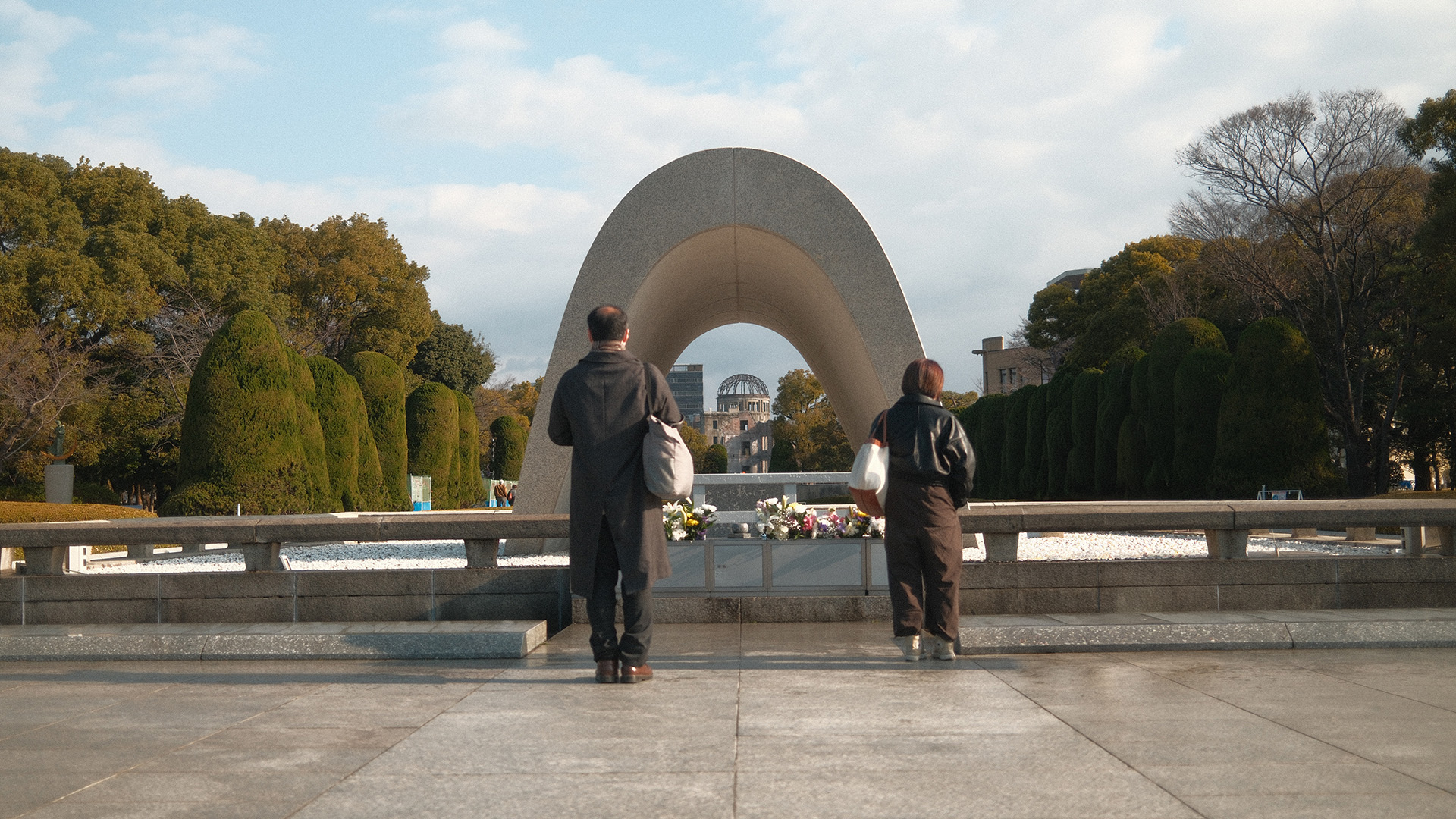
Today, Hiroshima is a thriving, modern city. But despite its renewal, it carries a quiet, persistent grief. Walking through the Peace Memorial Park—where you’ll find monuments, ruins and the Peace Museum—a certain stillness is quite noticeable. Visitors move slowly, often in silence. The Bomb Dome, preserved near the hypocentre of the blast, stands as a stark reminder of what once happened there.
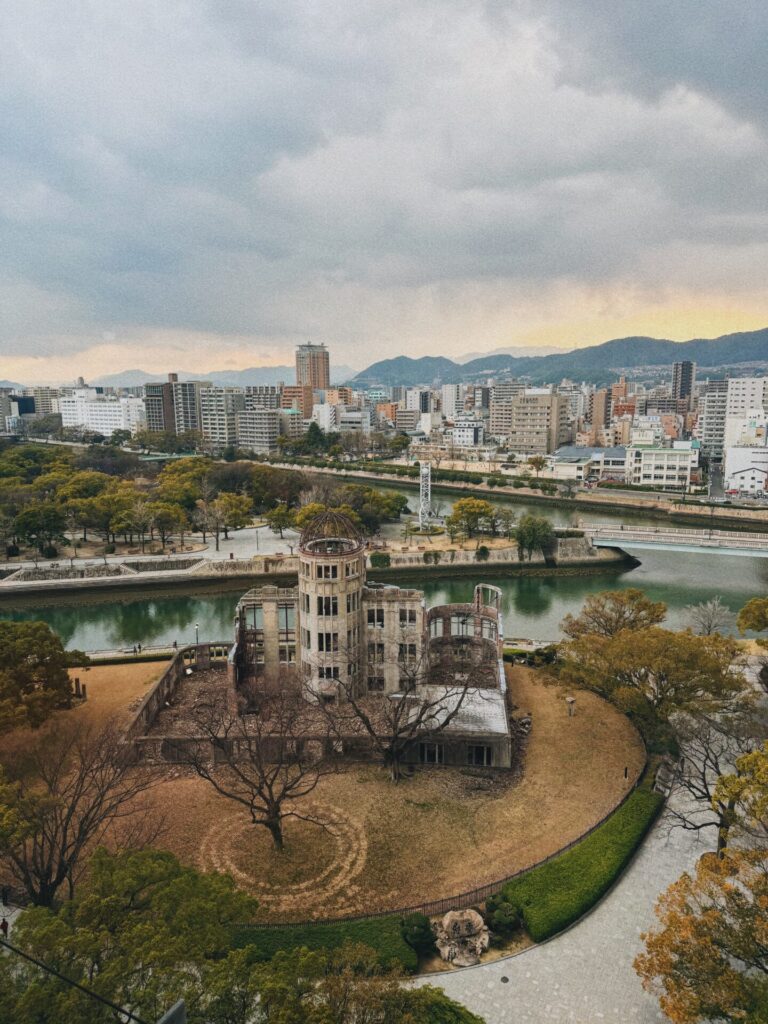
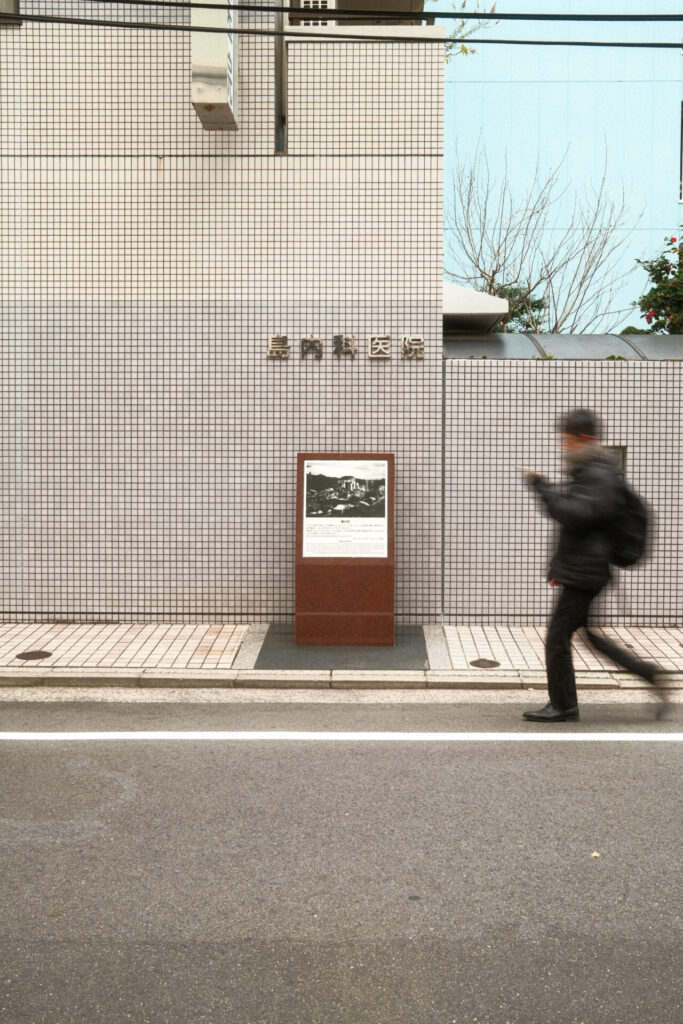
We returned to Hiroshima partly because we feel drawn to that contrast—between devastation and renewal. It’s a city that tells a story not only of tragedy, but also of resilience. But visiting Hiroshima this time felt different.
When we arrived in Japan, the current conflict in the Middle East had just erupted. Each evening, after full days of sightseeing, we would return to our accommodation and watch the news—images of destruction, death tolls rising, more countries getting involved. And in Hiroshima, it was impossible to forget or even ignore the state of our world.
During the day, we walked through a place shaped by one of the darkest moments in human history, where the message “Never again” is repeated in different forms. At night, we watched a world where violence continues, where innocent people are still caught in the crossfire.
I couldn’t help but ask: why is humanity unable to learn from its past? Of course, what happened in Hiroshima is not the same as what is happening in the Middle East. In fact, no atomic weapons have been used since then.
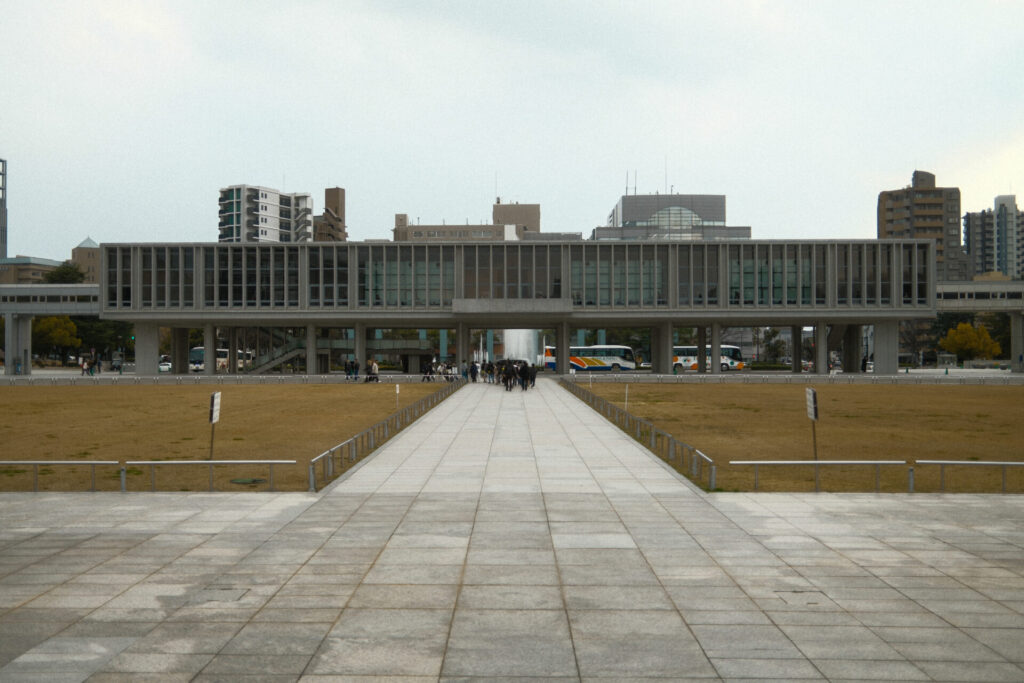
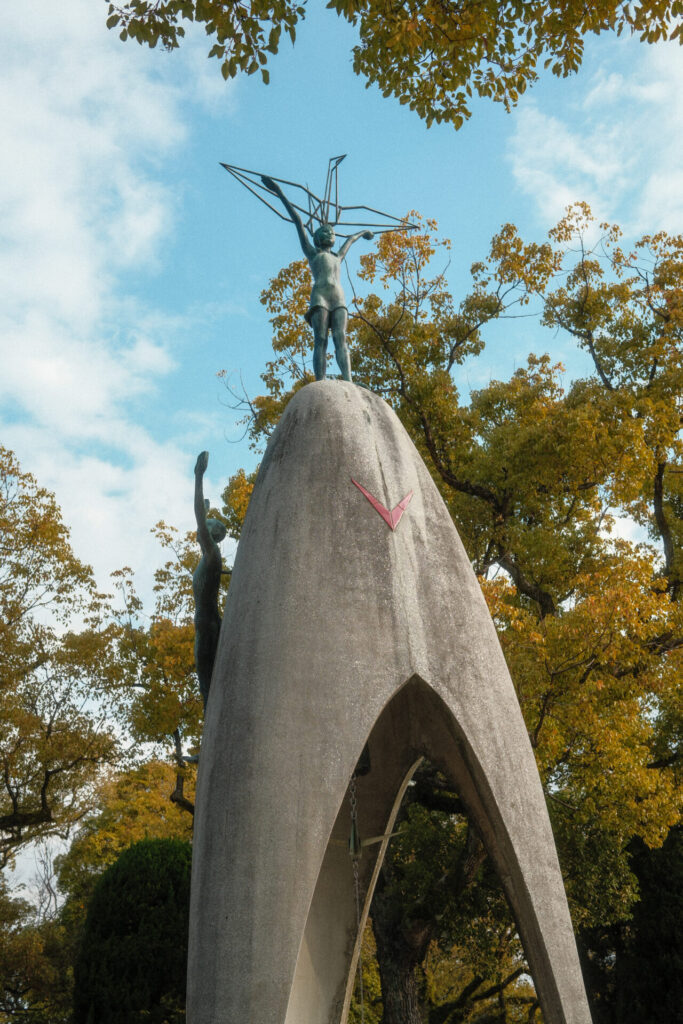
But whatever the method or the scale, the human tendency for evil keeps showing up. The cycle of violence in this world is never-ending. We like to think we’re more advanced than the people who came before us, but are we actually better? Because when I look at the state of the world, I see Genesis 6:5 all over again: “The Lord saw how great the wickedness of the human race had become on the earth, and that every inclination of the thoughts of the human heart was only evil all the time.”
Maybe the problem is not that we haven’t learned. Maybe it’s that we can’t fix ourselves. As much as we like to believe humanity is progressing, history keeps telling a different story. Left to our own nature, we don’t drift towards good—we drift towards selfishness, towards harm, towards sin.
And that’s why memory alone is not enough. Standing in Hiroshima, surrounded by reminders of the past and calls for “Never again”, I couldn’t ignore the reality that remembering doesn’t necessarily change us.
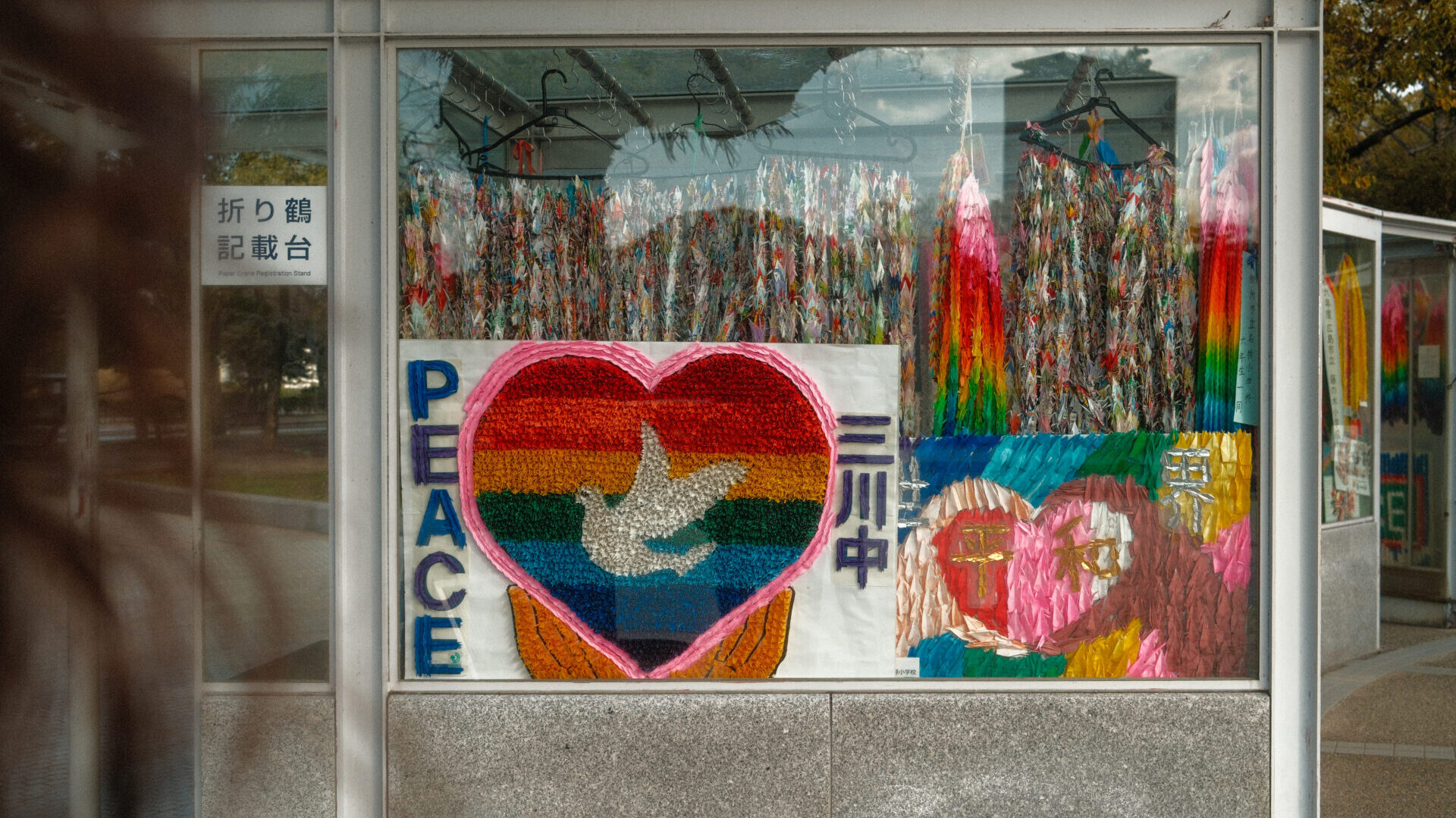
Real change requires something beyond us. It requires transformation—something only God can do in us. Only through Jesus can our hearts be reshaped, our instincts redirected, our capacity to love others restored.
In a world where violence and selfishness continue to surface in different forms, we are called to live differently—to reflect that transformation in the way we treat others, in the way we respond, in the way we choose compassion over indifference. By doing so, we give more people the opportunity to find this transformative power. A power that will finally give us the much-awaited “Never again”, when “‘He will wipe every tear from their eyes. There will be no more death’ or mourning or crying or pain, for the old order of things has passed away” (Revelation 21:4).
We cannot keep it to ourselves. The world needs the hope that we have to offer. If you don’t know where to start, there will things happening across the South Pacific designed to reach our communities. To get involved, visit southpacificforchrist.org.