More than 1350 Adventist educators in Papua New Guinea and the Solomon Islands have participated in Quality Adventist Schools Pacific (QASP) training, strengthening their approach to school improvement, Christ-centred education and discipleship.
The gatherings, held during September and early October, formed part of the wider QASP rollout across the Papua New Guinea Union Mission (PNGUM) and Trans Pacific Union Mission (TPUM).
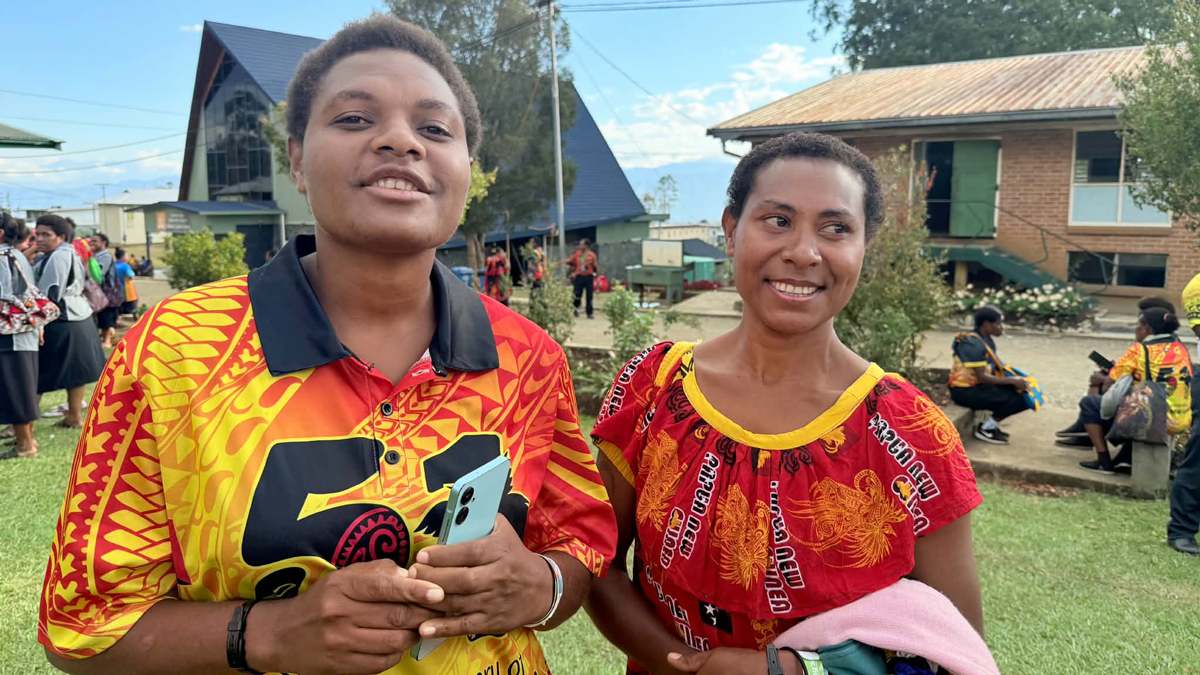
In PNG, more than 600 teachers from the Highlands and Momase regions gathered at Kabiufa Adventist Secondary School near Goroka from September 13 to 16. Some travelled for days to attend, including 14 teachers from Angoram Adventist Primary School in East Sepik Province who went by boat along the Sepik River and by sea for about a day, followed by another couple of days on the road through Madang to Kabiufa in the Eastern Highlands.
The Kabiufa training followed earlier rollout programs at Kambubu Adventist Secondary School in the New Guinea Islands region and Mount Diamond Adventist Secondary School in the Southern Region.
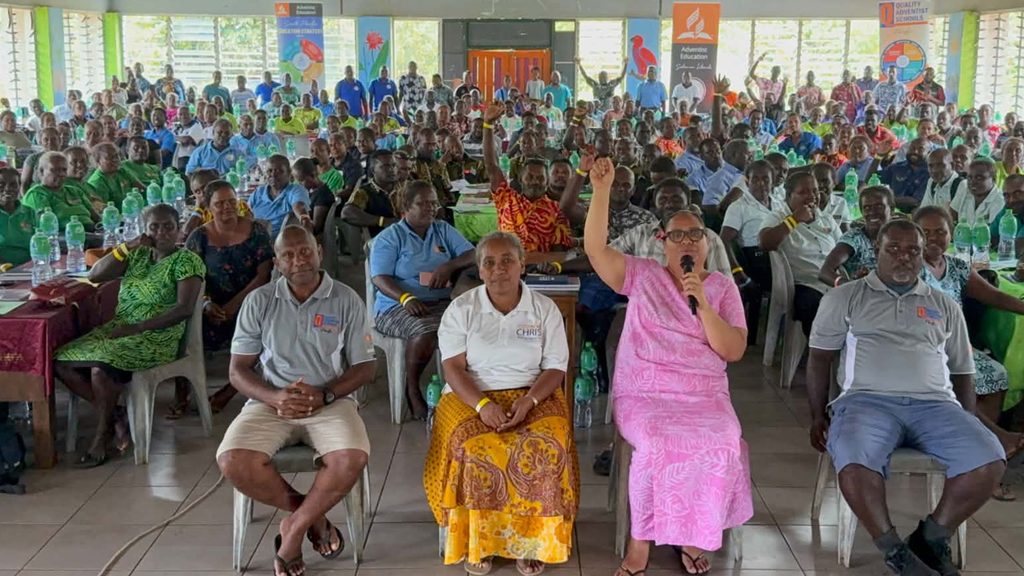
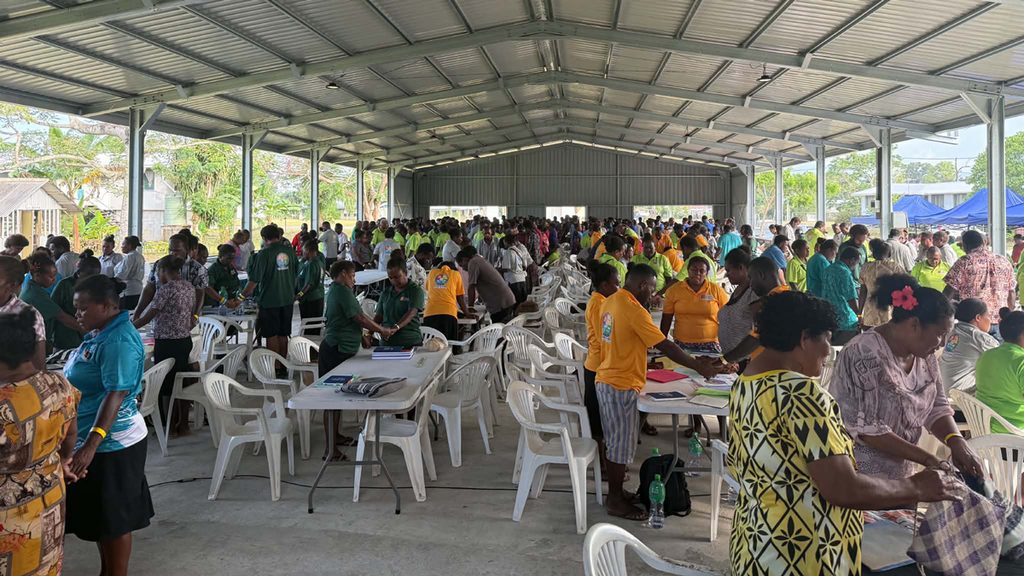
In the Solomon Islands, about 250 teachers attended training at Kukudu Adventist College in Western Province from September 25 to 28, followed by more than 500 at Betikama Adventist College in Honiara from September 30 to October 3.
South Pacific Division education director Dr Elisapesi Manson facilitated the training in both countries, assisted in the Solomon Islands by TPUM education director Talonga Pita. Sessions combined professional learning with worship and prayer with a strong focus on Adventist mission.
QASP focuses on creating thriving school cultures where students can flourish spiritually, academically, physically and socially. It emphasises staff empowerment, teamwork, effective teaching practices, the use of data and shared responsibility for continuous improvement.
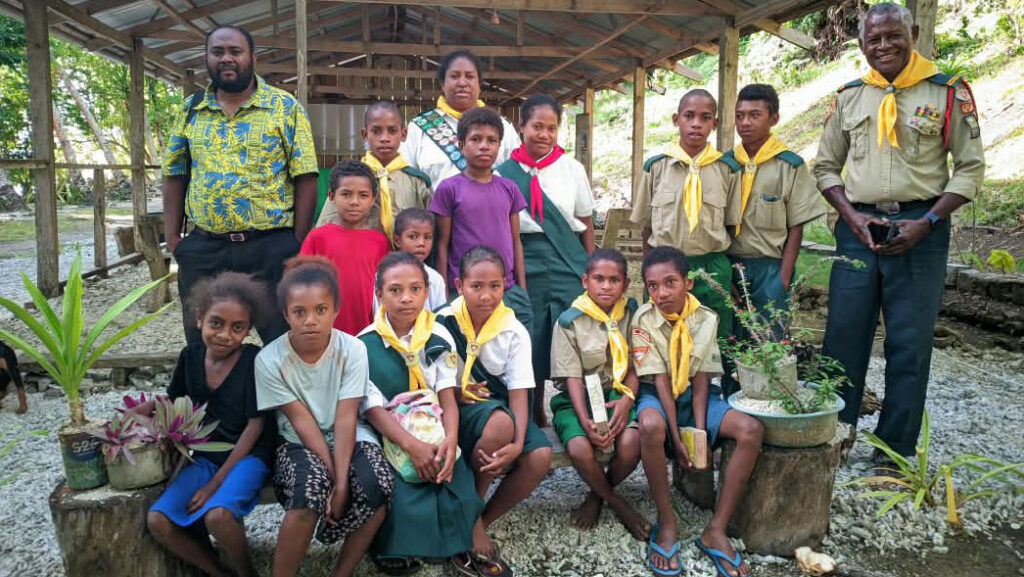
The framework also recognises that schools serve different communities. Teachers and leaders were encouraged to consider their local circumstances and identify realistic opportunities for improvement, including in remote settings where transport, infrastructure, resources and connectivity present challenges.
In the Solomon Islands, teachers also reflected on Schools for Christ, part of the wider TPUM for Christ discipleship initiative. Its focus will continue through QASP’s annual school improvement planning process, helping schools keep discipleship, mission and sharing Jesus as ongoing priorities.
Participants described the training’s professional and personal impact. One teacher shared emotionally that it had refocused her attention on the distinctive character and mission of Adventist education. A school leader who had joined Adventist education after decades in government schools, described it as the most worthwhile and meaningful professional development he had attended.
Held in the lead-up to World Teachers’ Day on October 5, the Solomon Islands gatherings also provided an opportunity to recognise teachers’ contribution and affirm their calling to educate, nurture and disciple young people.