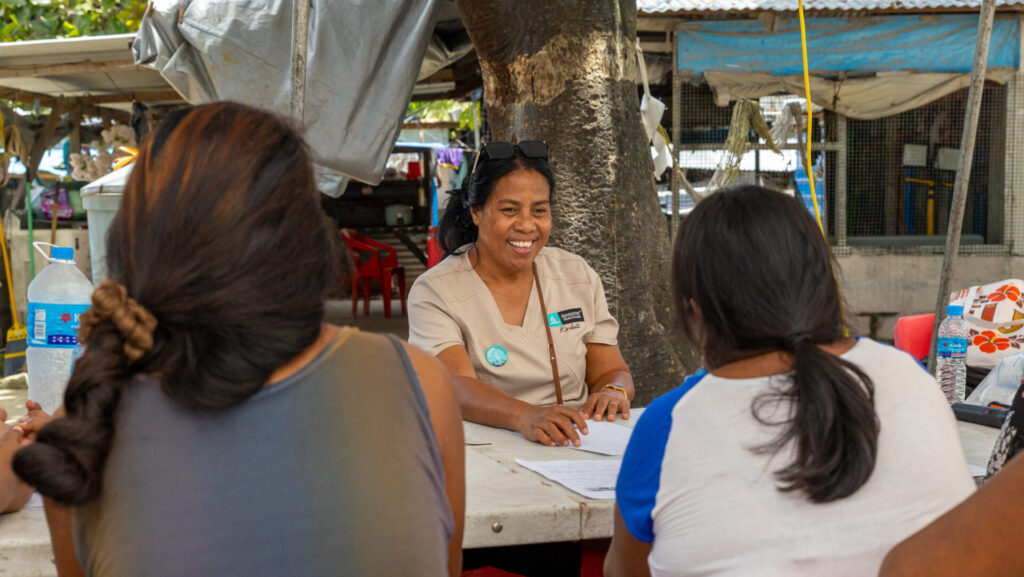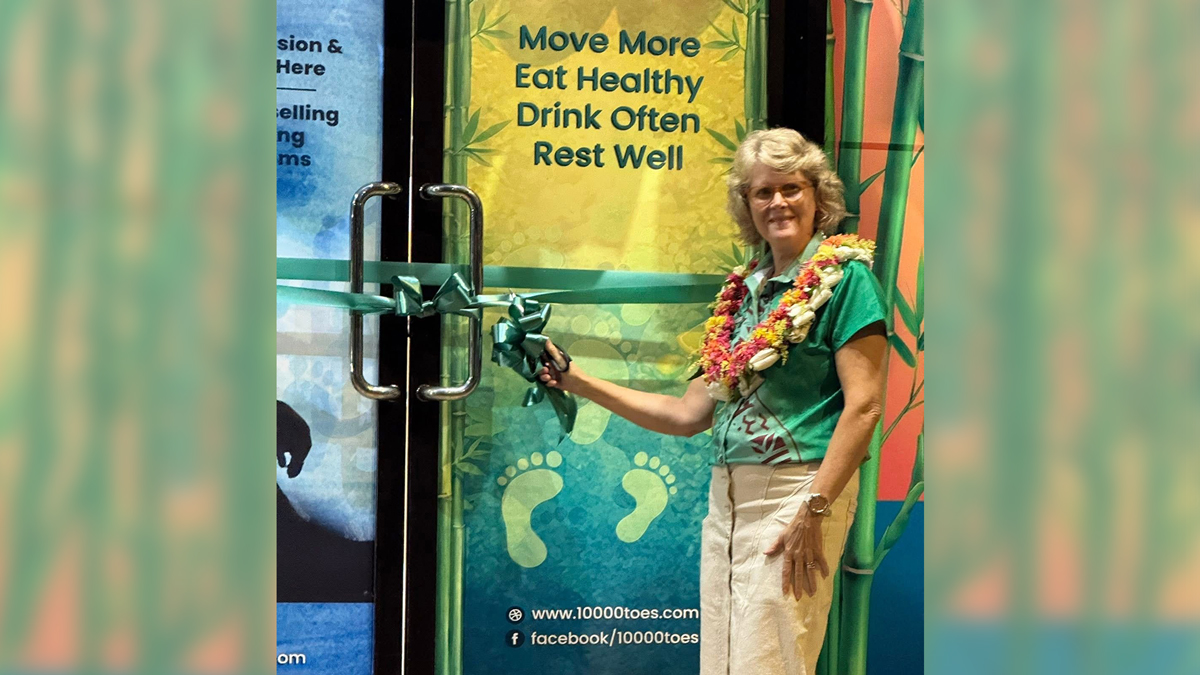
A major milestone has been reached for the 10,000 Toes Campaign with the official opening of its first wellness centre.
The new centre in Nadi, Fiji, marks a significant expansion of the initiative’s work across the South Pacific.
“We’ve got lots of wellness hubs, but now we have opened our very first wellness centre,” said 10,000 Toes Campaign coordinator Pamela Townend. “It’s where everybody who has been diagnosed with risk factors can go and meet doctors and dietitians and get their health back on track.”
Speaking at the opening on February 23, Mrs Townend said the occasion represented far more than the launch of a building.
“Today is the opening of opportunity. Today is the opening of hope,” she said.
Her remarks come in the wake of the 2025 World Health Organisation STEPwise report, which revealed that 98.5 per cent of adults in Fiji have at least one major risk factor for non-communicable diseases (NCDs), with 47 per cent having three or more. The report also found that 85 per cent of adults have poor diets and 53 per cent are physically inactive.
“These are not just numbers,” Mrs Townend said. “These are families. These are church members. These are workers, leaders, young people, grandparents that we know.”
Now in its eighth year and operating across 13 Pacific countries, the 10,000 Toes Campaign focuses on early detection, lifestyle education and upskilling health professionals. Until now, the campaign has primarily operated through grassroots wellness hubs and community ambassadors. The new wellness centre provides a dedicated referral base for those identified as high risk.
“This centre places us in a position to address this crisis head on,” Mrs Townend said. “Government cannot solve this alone. The Church cannot solve this alone. Health professionals cannot solve this alone. But together—we can.”
Located in a high-traffic area of Namaka, the newly repurposed double-storey, 400-square-metre facility was formerly a retail space and now serves as a comprehensive lifestyle centre.
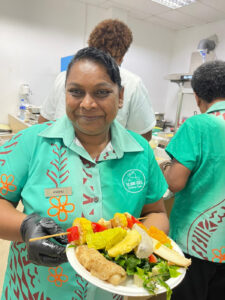
The ground floor houses the 10,000 Toes Kitchen and Food Farmacy Café, where plant-based meals are prepared daily. The space also functions as a cooking school, offering nutrition demonstrations, healthy meal solutions and salad packs for retail outlets. Alongside the café is the Bitu Beverage factory and retail bar, serving therapeutic dishes, smoothies, fruit ice-cream, non-caffeinated coffee and herbal teas. A small retail section provides fresh produce and natural health products.
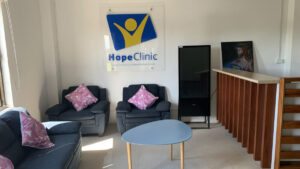
Upstairs, the Hope Clinic is led by a medical doctor specialising in lifestyle medicine and supported by a multidisciplinary team including a dietitian, lifestyle coaches, a nurse and a mental health specialist. The team delivers structured Adventist health intervention programs addressing diabetes, obesity, mental health, addiction and long-term behaviour change. The upper level also includes a training and conference facility designed to upskill health professionals and mobilise 10,000 Toes ambassadors for outreach initiatives.




George Kwong, Trans Pacific Union Mission health coordinator and regional ambassador for 10,000 Toes, said the centre establishes a permanent base for the campaign after five years of delivering wellness hubs across the Pacific.
“The prayerful vision centred around the Lord led us to a place where all health services could be offered under one roof,” Mr Kwong said.
Spiritual care and emotional support form an integral part of the centre’s approach, reflecting the Adventist belief in whole-person health.
Looking ahead, campaign leaders say the centre marks the beginning of a new phase.
“We will continue to drill deeper addressing where the real needs are, strengthening early detection, providing good data and creative, effective lifestyle intervention programs with sustained community follow-ups,” Mr Kwong said. “This is part of our long-term commitment to helping families and communities.”
Mrs Townend reminded attendees that NCDs are largely lifestyle driven, and therefore, lifestyle-modifiable.
“When caught early enough—and when individuals are supported and empowered—these conditions can be slowed, stopped and in some cases even reversed,” she said. “With commitment, education, environment and support, change is possible.”
She concluded: “Today we open doors—not just to a facility—but to a new narrative for Namaka. A narrative where Paradise does not just look beautiful, but is healthy, strong and thriving.”
The Namaka wellness centre is scheduled to open to the public on March 17.