Some people attempt to qualify the word, unique. As unique means one of a kind, and only one, it is incorrect to say, for example, that something is “very unique”. Something or someone is either unique or not at all. There is a sense that every human being born into this world has been, and is, unique. Even identical twins have something, some feature that makes them different to their fellow twin.
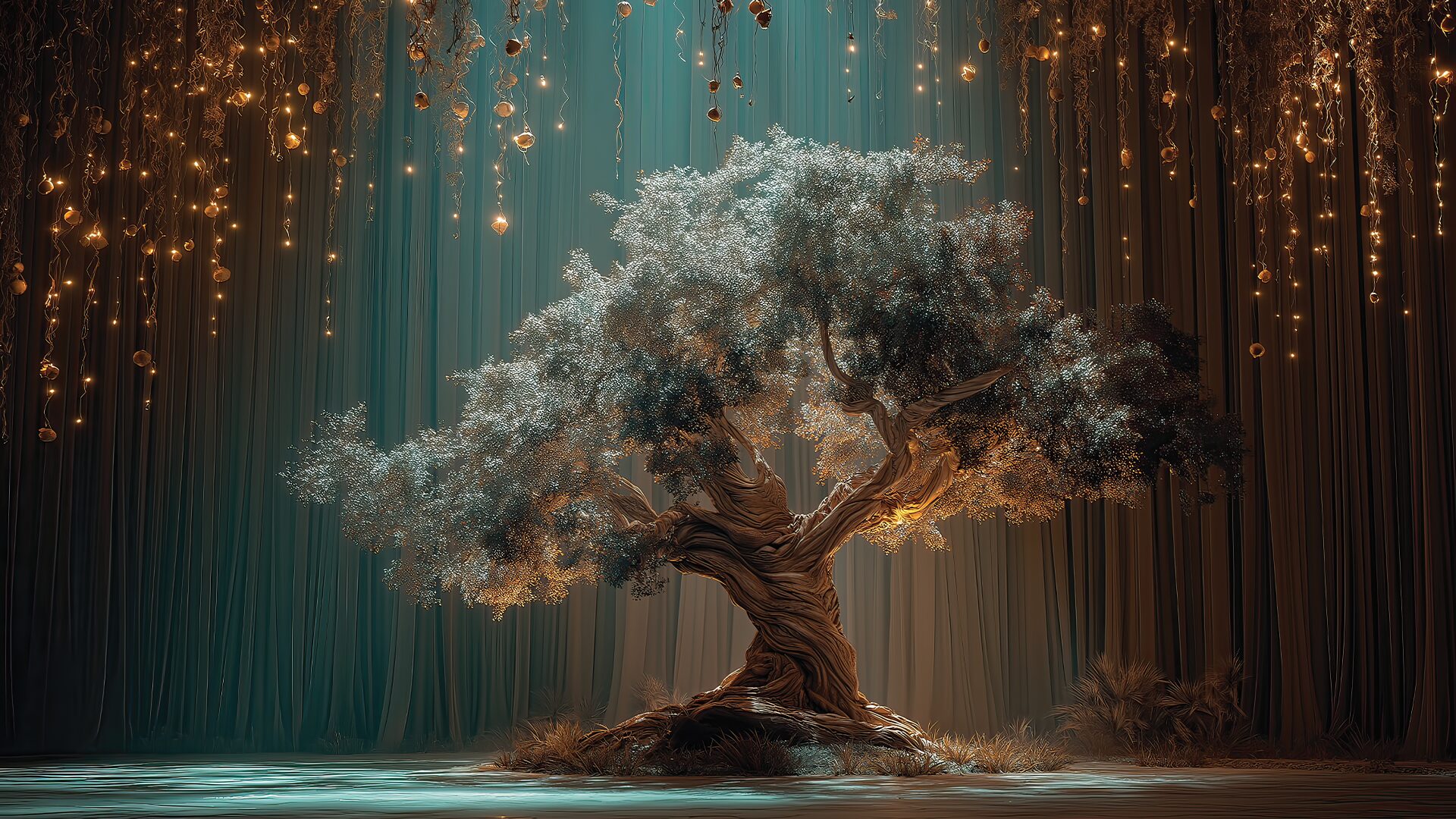
So, what is the point I am making? Just this: that there was, and is, and will be a tree that has no botanical origin.
In Genesis 3:22 God says, “The man has now become like one of us, knowing good and evil. He must not be allowed to reach out his hand and take also from the tree of life and eat, and live forever.” As Adam and Eve had sinned, their destiny was death, so God put an angel to guard over the tree of life so that our first parents could not have access to it.
Many years after the Flood, when Solomon wrote his proverbs, he referred to a tree of life when he made an important point about wisdom. He writes in Proverbs 3:18 that wisdom “is a tree of life to those who take hold of her”, emphasising the value of wisdom. Note that he says, “a tree of life”, not, “the tree of life”. Solomon also uses the same metaphor when he refers to the righteous: “The fruit of the righteous is a tree of life, and he who wins souls is wise” (11:30).
There are scores of references to trees in the Bible, especially the Old Testament. Some refer to the lifespan of trees, for hundreds, even thousands of years. Isaiah refers to long-lived trees, saying that “the days” of God’s people would be like the lifespan of a tree—but not merely a few hundred or thousand years, but eternal (Isaiah 65:22).
It’s not until Revelation that the tree of life is referred to again. Apparently, God took this tree to heaven, for the definite article “the” is used. There is only one tree of life—the one God placed in Eden is the same one we find reference to thousands of years later in heaven.
It’s mentioned by Christ Himself in the message to the church in Ephesus. Revelation 2:7 says, “To him who overcomes I will give to eat from the tree of life, which is in the midst of the Paradise of God.”
We then come to the last chapter in the book of Revelation, where we find a detail about the tree that is not given elsewhere: “In the middle of its street, and on either side of the river, was the tree of life, which bore twelve fruits, each tree yielding its fruit every month. And the leaves of the tree were for the healing of the nations.”
This text tells us that the tree of life is divided into two parts, one part on each side of the river of life. It also produces 12 different kinds of fruit, presumably a different fruit each month and further, that the leaves of the tree were for healing. Normally, the leaves of a tree are not eaten, so in some way perhaps the leaves of the tree of life “heal” the saved, perhaps having a part in restoring the saved to the full stature they would have had if sin had not entered this world.
The tree of life is last mentioned in Revelation 22:14, a beautiful text that encourages us to be part of the throng that will eat of the tree and enjoy God’s eternity with Him: “Blessed are those who do His commandments, that they may have the right to the tree of life, and may enter through the gates into the city.” The tree of life, with fruit not only life-giving, but perfectly delicious, designed to give us heavenly vigour that I am sure we would like to have now.
William Ackland is a prolific writer who is now retired in Cooranbong (NSW).