Health screenings and educational seminars held during Samoa for Christ brought preventive care into local communities amid the country’s growing non-communicable disease crisis.
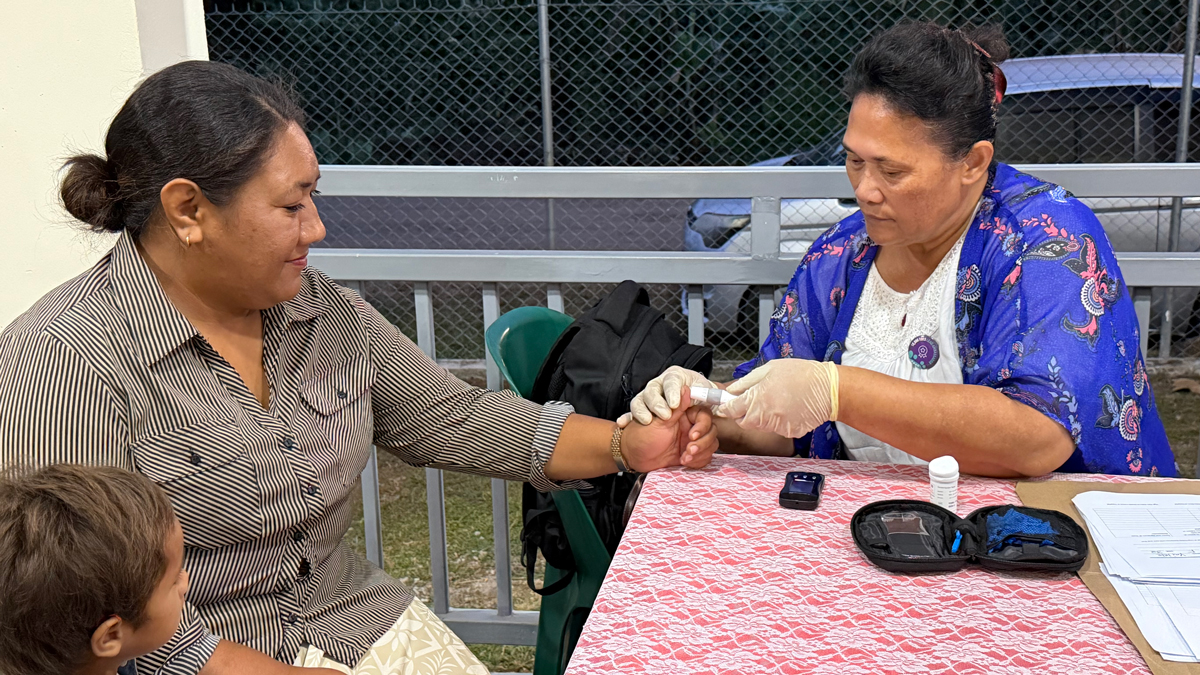
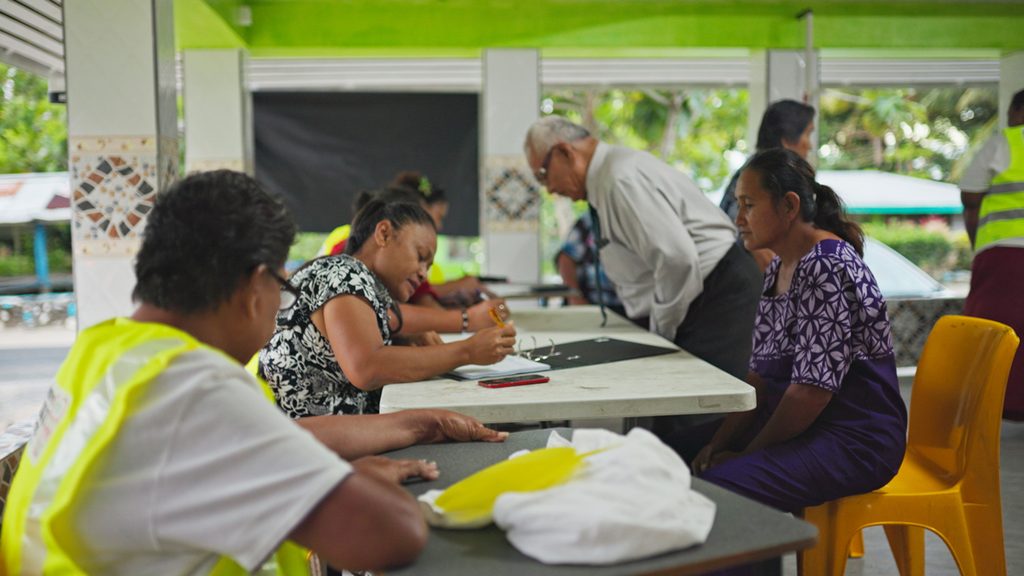
During the nationwide campaign, which ran August 16-30, health teams and 10,000 Toes ambassadors offered free wellness checks at many sites before the nightly evangelistic meetings. Participants received blood pressure and blood glucose testing, along with height, weight and body mass index measurements.
In Salelesi village, where the local program was supported by Fusi Seventh-day Adventist Church, more than 100 people were screened during the campaign’s second week. At another site, Aleisa Adventist Church, church volunteers reported that around 40 people came for health checks each night.
Some participants recorded systolic blood pressure readings above 200 mmHg—well above the normal range of less than 120 mmHg—while others had elevated blood glucose levels. Health volunteers discussed the results with participants and offered practical guidance on reducing their risks, including changes to diet and physical activity. Those with concerning results were encouraged to seek further medical care.
The screenings formed part of a broader response to Samoa’s high burden of non-communicable diseases (NCDs). A 2026 study examining national mortality trends found that NCDs—including cardiovascular disease, cancer, diabetes and chronic respiratory diseases—accounted for 83 per cent of the country’s 1427 recorded deaths in 2021.
The study also reported that in 2019, obesity affected an estimated 58.4 per cent of women and 43.8 per cent of men, while diabetes affected 31 per cent of women and 26.9 per cent of men.
Samoa and Tokelau Mission president Pastor Afiipu Tuaoi said the health initiatives were an important part of the campaign.
“Samoa has a real health crisis at the moment, so this is one ministry we’re putting a lot of work into,” he said. “The groundwork through 10,000 Toes and the health screenings brought a lot of people in and created a real connection to the campaign.”
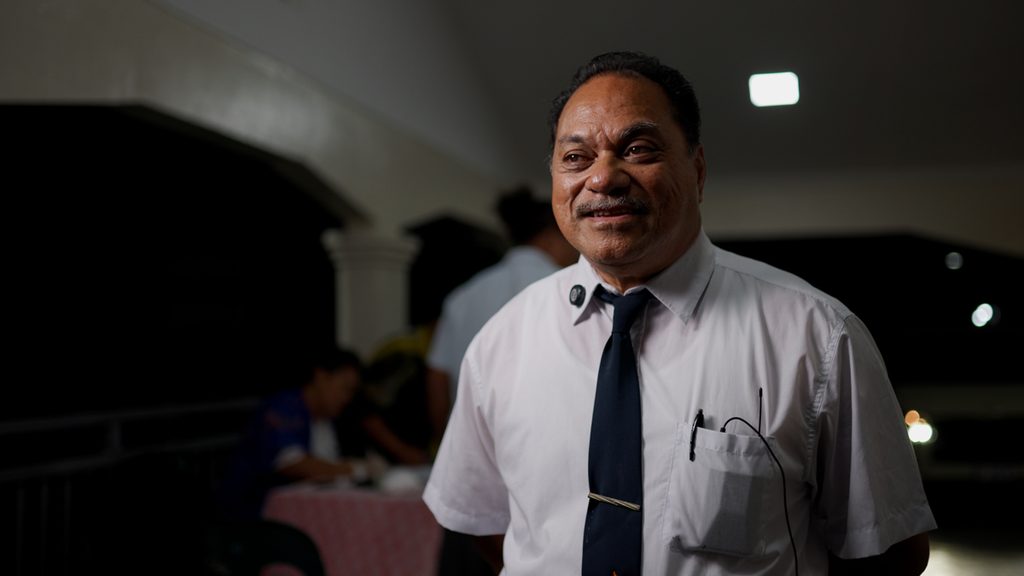
Mission health director Pastor Benjamin Tofilau, who has served in health ministry for the past decade, said addressing the crisis would require looking beyond individual choices to the customs and habits shaping everyday life.
“First of all, it’s the lifestyle within our homes and communities,” he said. “In our culture, we look after our leaders, teachers and pastors. It’s a daily responsibility to feed them, but what we are giving them is often not healthy. Our church members and the wider community need a lot of training and education.”
Pastor Tofilau said unhealthy eating habits and a growing reliance on imported and processed foods were also contributing to lifestyle-related disease.
“Our people are used to eating a lot of meat, cheap noodles and processed foods,” he said. “We are encouraging them to plant their own vegetables and fruit and not rely so much on imported foods such as sausages, canned foods, turkey tails and soft drinks.”
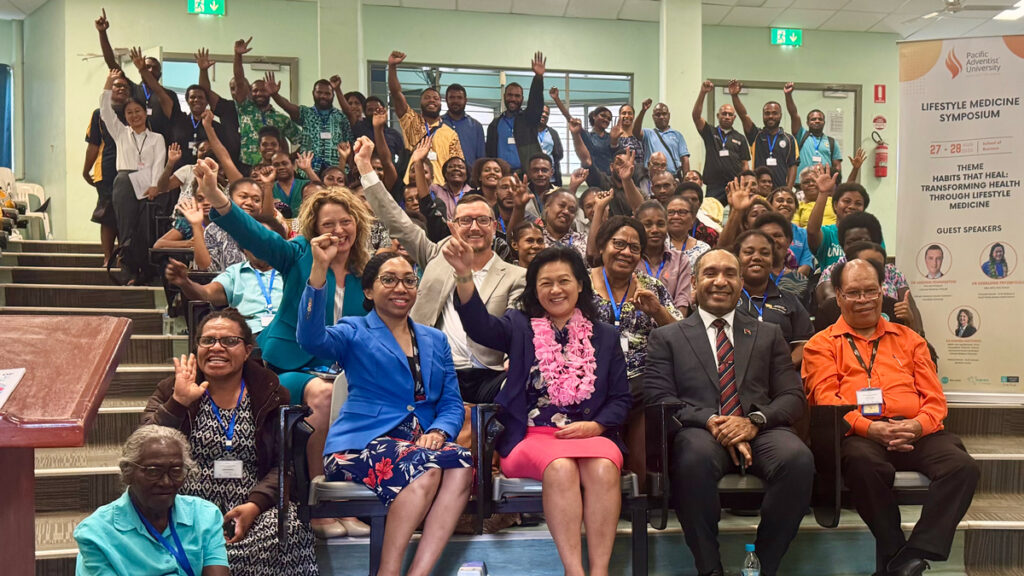
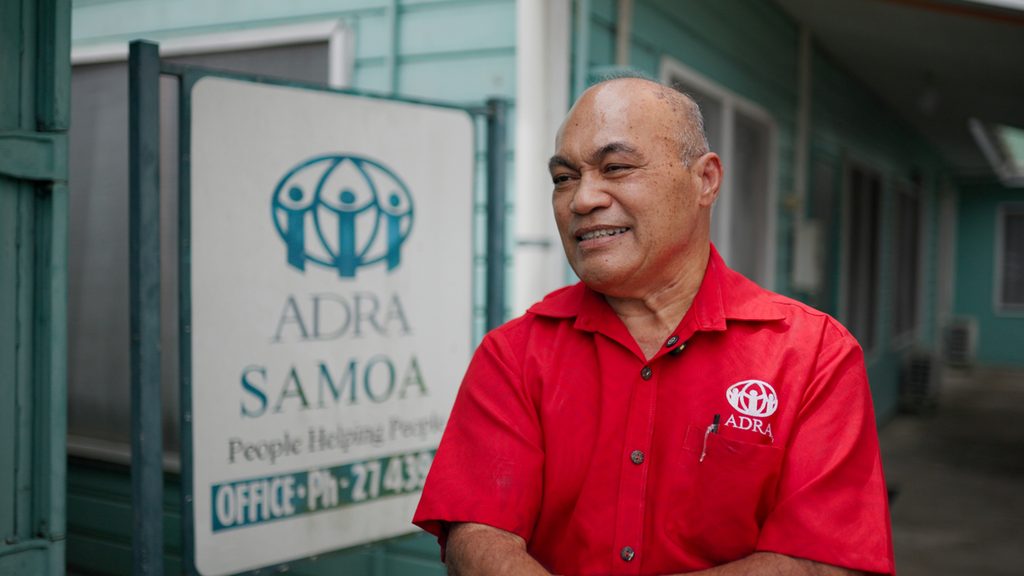
Alongside the screenings, ADRA Samoa associate country director Asiata Apineru Wright delivered nightly talks offering practical ways to improve health. Drawing on the Adventist NEWSTART framework—nutrition, exercise, water, sunlight, temperance, air, rest and trust in God—the sessions emphasised preventing illness through sustainable lifestyle changes.
The talks proved so popular that Mr Wright was nicknamed “Want More”, as audience members continued asking for more health information. They were subsequently recorded as videos and shown before the evening programs at many of the campaign sites.
For 23-year-old Matthew Velovaa, who attended the meetings in Salelesi throughout the two-week campaign, the health content was a highlight.
“I’ve learned so much from them that I didn’t know,” he said. “I am inspired to eat better and move my body so that I can stay healthy and keep my mind sharp.”
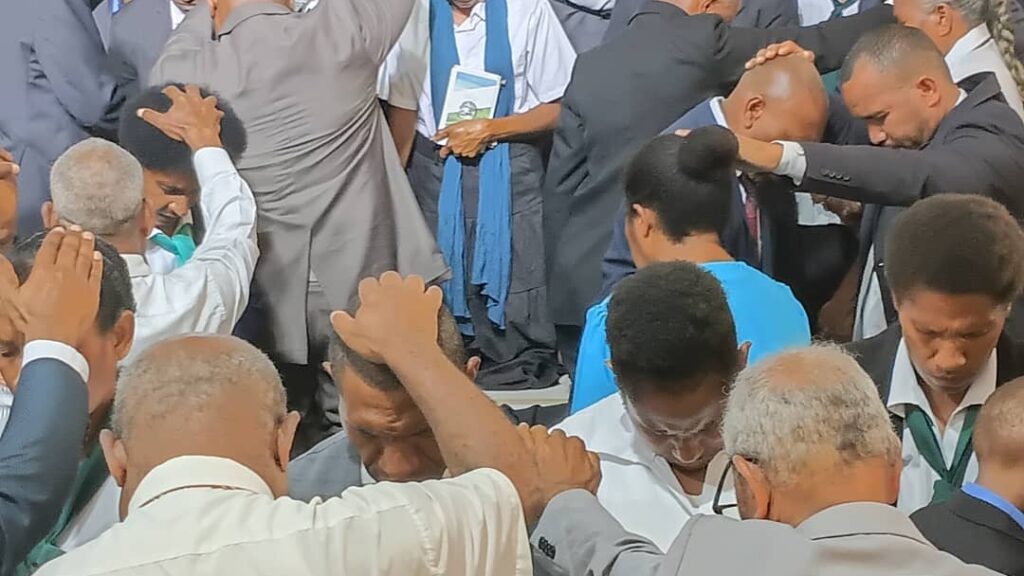
Beyond the screenings and seminars, health teams visited people in their homes and in hospital to offer practical and spiritual support. Among those visited was a retired Methodist pastor recovering from a stroke, who later visited the team to thank them for their care. Dedicated prayer teams across the country also supported the health outreach throughout the campaign.
Although Samoa for Christ concluded on August 30, the Mission plans to build on its health work by training church health and temperance leaders to conduct screenings, recognise concerning results and encourage people to seek appropriate medical care. The longer-term vision is for every local church in Samoa to become a centre for health education.
“We want all our church members to be health promoters,” Pastor Tofilau said. “The health message is the right arm of the gospel, so we need to be at the forefront, helping our church members and the community respond to this health crisis here in Samoa.”