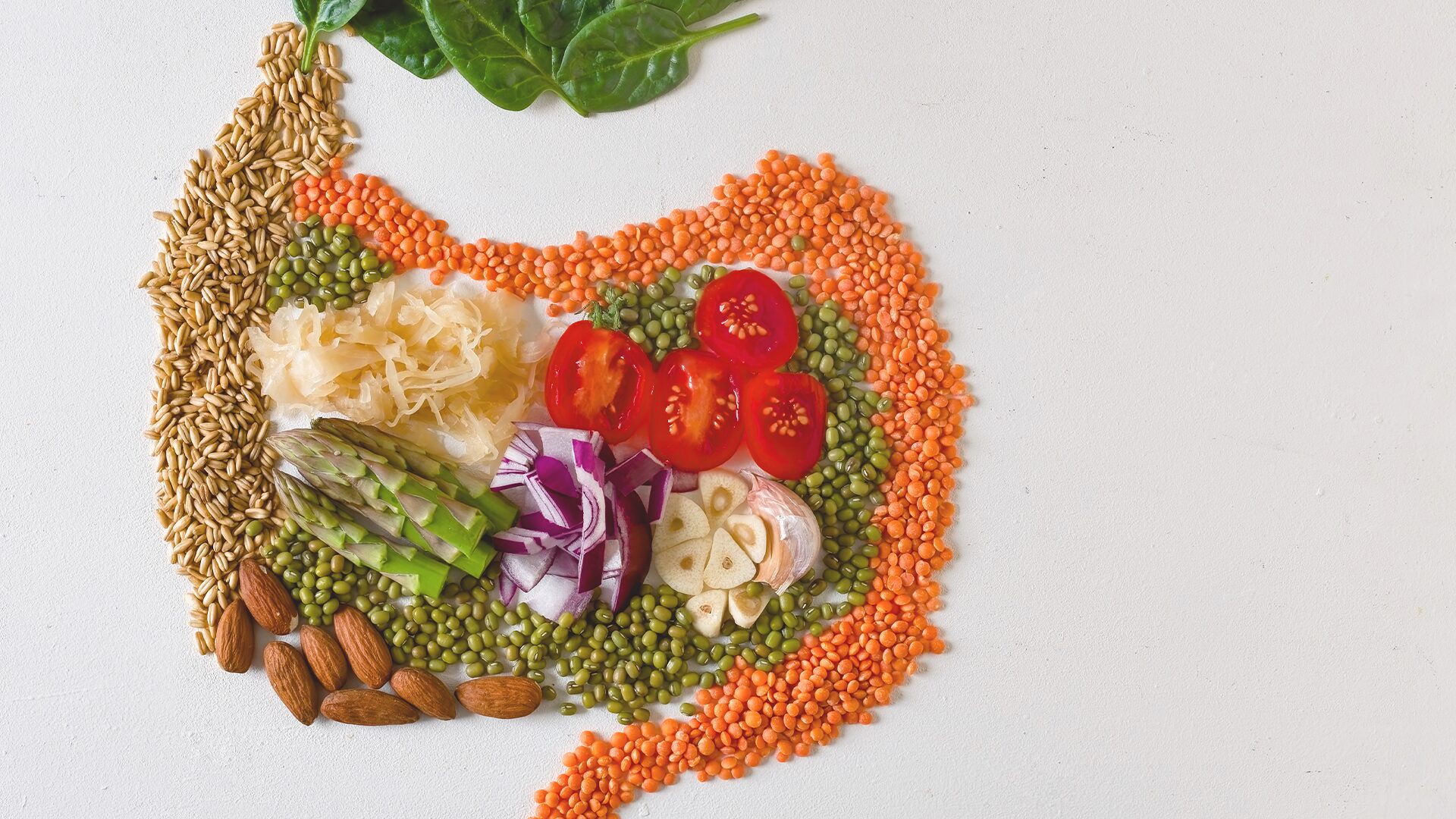
Gut health plays an important role in supporting immunity. Much of the immune system is linked to the gut, where immune cells and gut bacteria work together to help protect the body from harmful germs. These bacteria also help train the immune system to tell the difference between dangerous invaders and harmless substances, reducing the risk of overreaction such as allergies or inflammation.
How to support a healthy gut
A healthy gut contains a wide variety of bacteria. Greater diversity is linked to benefits such as stronger immune function, better heart health, healthier body weight and improved mental wellbeing. Diet has a major effect on gut bacteria, and eating a wide range of plant foods is one of the best ways to improve gut health. Research suggests dietary changes can positively affect the gut microbiota quite quickly, especially when fibre intake increases.
Simple habits you can live by
You do not need expensive supplements to support gut health. A simple, high-fibre, plant-based eating pattern is a strong foundation. Wholegrain breads and cereals help feed beneficial gut bacteria and support the production of compounds that can reduce inflammation and help protect against infection.
Fruit and vegetables also provide fibre and plant compounds that encourage the growth of beneficial bacteria. Budget-friendly options include apples, pears, onions, cabbage, asparagus, chickpeas and nuts. Probiotic foods such as yoghurt, kimchi, sauerkraut, kefir, kombucha and pickles can also help add beneficial microbes. Other helpful habits include drinking enough water, exercising regularly, getting enough sleep and managing stress.