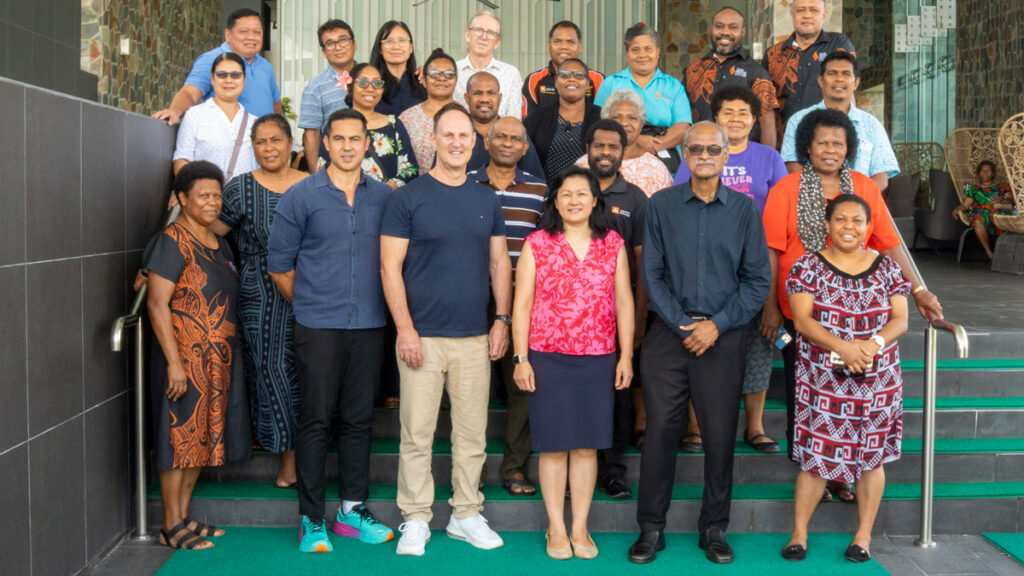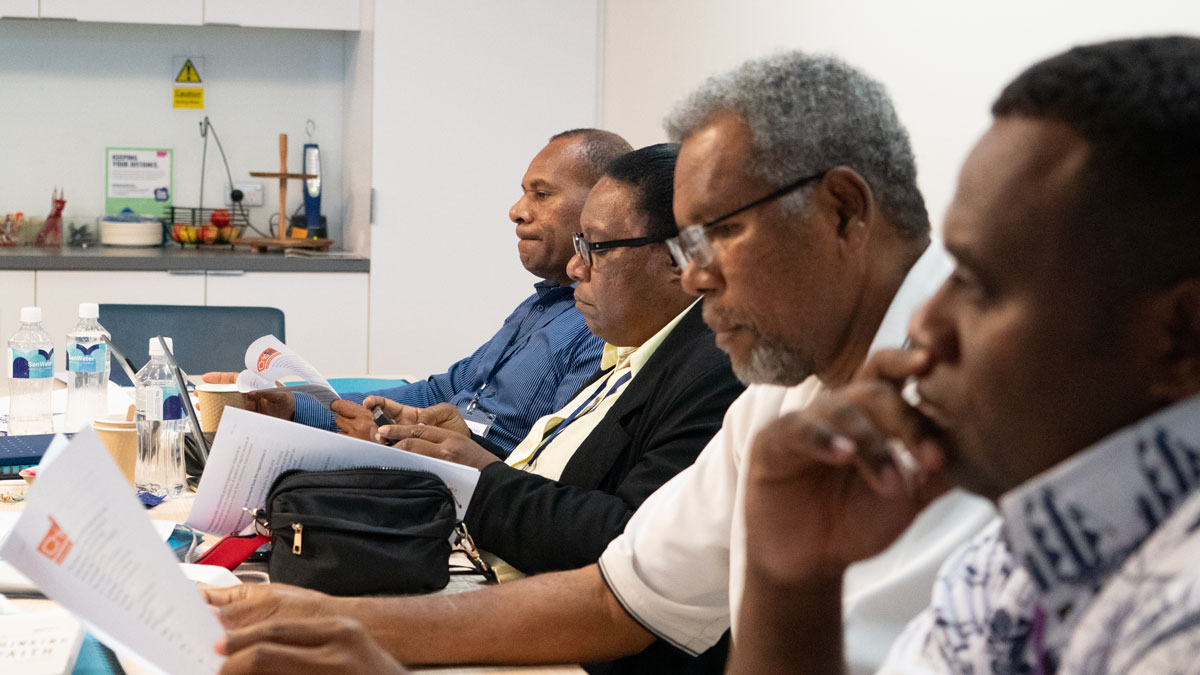
A two-week chaplaincy intensive hosted by Adventist HealthCare Limited (AHCL) at the Sydney Adventist Hospital (the San) in February trained and equipped chaplains, including a large group from the Pacific, with the hope that chaplaincy can be added as a study program at Pacific Adventist University (PAU) and Fulton Adventist University (Fulton).
“In the world we are living in, chaplaincy will be one of the areas to actually minister to people who are out there,” said Dr Steve Stephenson, AHCL manager Spiritual Care Services. “Chaplains get this opportunity to work with people from all walks of life and in all forms of chaplaincy. It’s aged care, healthcare, school chaplaincy, military, corrective facilities, everywhere.”
The two-week intensive was a collaborative initiative between PAU and Fulton, who sent staff members to attend; the South Pacific Division, who covered accommodation; and AHCL who provided training, supplies, facilitators and the venue.
“In our communities, chaplaincy is where we get to meet people from the community face-to-face, usually at a time of crisis when they need support and help,” said San chaplain and main facilitator Pastor Cheryl Bird. “And while we may never preach to them, we give them a picture of the God we worship by our compassion and care.”
The delegates from the Pacific, intend to bring back the things they have learned and hope to work towards introducing chaplaincy programs at PAU and Fulton.
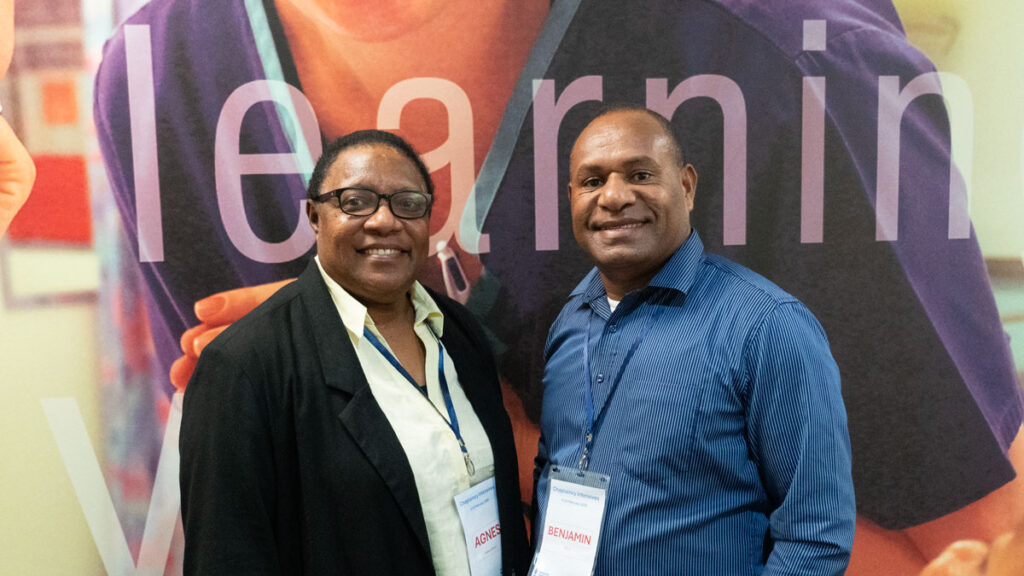
“Looking across the Pacific, this is going to be a growing need into the future,” said Papua New Guinean Dr Agnes Kola, now Master in Ministry program director at Fulton.
“We’re trying to offer chaplaincy at Fulton, but we don’t really know where to start,” adds her husband, Fulton Theology lecturer Pastor Benjamin Kola. “It’s a specialised ministry.”
PAU lecturer Pastor Rusel Timothy Kaio, originally from Vanuatu said: “I think there’s a lot to learn, apart from my pastoral duty, to really understand what chaplaincy really is, especially into our institutions. [The intensive has] been an insightful experience. We have come to try to acquire an understanding of chaplaincy from a different perspective.”
“[Chaplaincy is] very important in the Pacific, because we have a lot of schools, we have a lot of clinics. Not only that, but there is pressure from the government, especially the defence force, [because we are not able to provide chaplains].”
According to organisers, the intensive was developed to equip attendees with practical skills and knowledge required for effective chaplaincy work.
“They get just a glimpse, a snapshot, because that’ll be enough to inspire them to go back and say, ‘Hey, this is a current need and going into the future for the growth of the church, it is important’,” said Dr Stephenson.
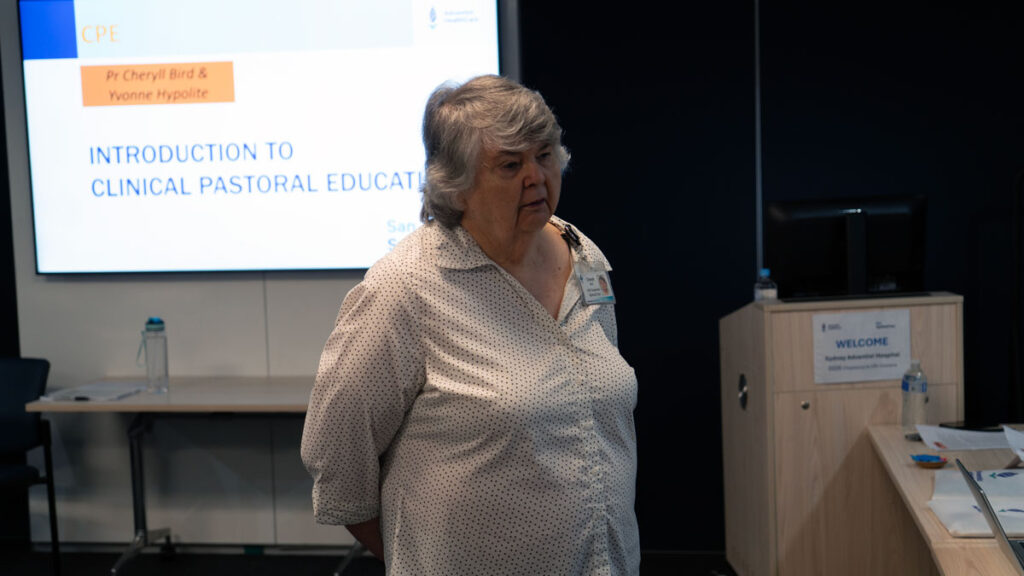
For Pastor Bird, chaplaincy differs significantly from regular ministry. “Chaplaincy is really quite different. I’ve taught ministers from many faiths, and I say to them, you’ve been taught to teach and preach, but not to listen. And they nod sheepishly.
“It’s not something we’ve got the copyright on, but actually listening to the people—that’s really important.” And our brothers and sisters in the Pacific are saying ‘we need this’. The western world is impinging on the islands and they need to know how to support people, not just to preach and teach.”
The participants agree that while the Pacific context is slightly different, the skills are valuable and transferable.
“While everyone has their own cultural backgrounds, we can learn things to translate into our own different contexts,” said Dr Kola. “I come from a pastoral background. Some of the things I’m hearing, I’m saying to myself, ‘Oh, I wish I could have learned that in [seminary] to help me’ because I’m visiting in the hospital, I’m visiting in a school and I don’t have a clue how to address them.”
“There is still need of chaplaincy regardless of the culture,” said Pastor Kola. “Humans need care and they need connection. They need relationship. And that’s the human need that we cannot avoid. And this is what chaplaincy provides and that is the lesson we learned this weekend. We wished we learned this one long ago,” said Pastor Kola.
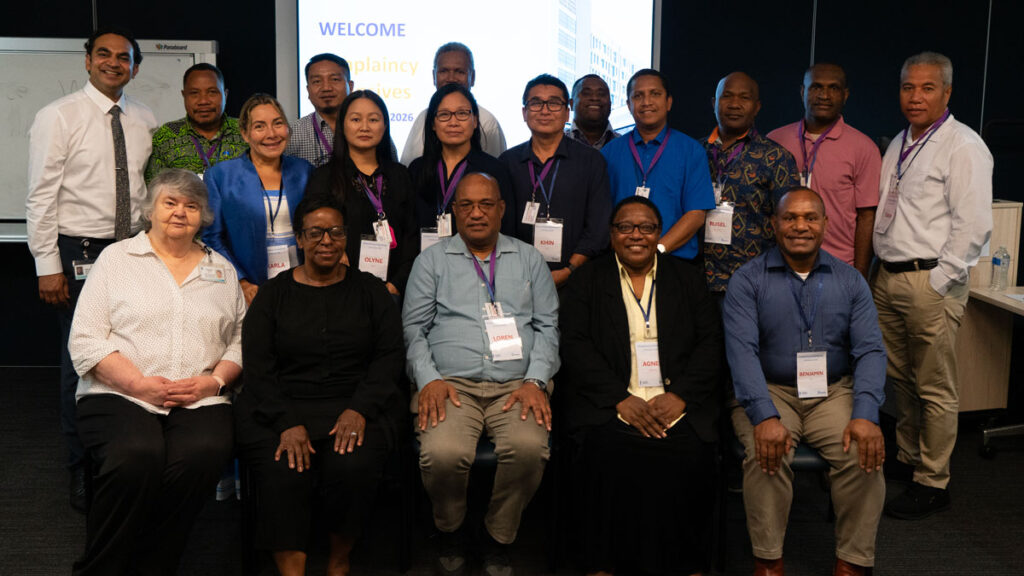
Feedback from the organisers, suggests that the intensive has been successful in selling the vision of what chaplaincy can achieve in the Pacific.
“From the feedback I’m getting, they’re very excited to be here,” said Dr Stephenson. “They’re saying that it is so insightful. Most of them have doctorates and PhDs, but they still feel like, ‘Hey, we are learning. There’s more to learn’.”
Attendees received a 40-hour Clinical Pastoral Education certificate from the New South Wales College of CPE, as well as a professional development certificate from the Adventist Chaplaincy Ministries of the General Conference.
“We’d like to say thank you to everyone and for those who’ve supported us in one way or another,” said Dr Kola. “I’d like to see that if, God willing, there’ll be resources provided, we can take [what we have learned] back to our institutions—to implement or come up with a curriculum where we could train our students.”
“It is a step into the right direction,” said Pastor Kola. “Our church is growing in the Pacific. Our needs are also growing, and we need people who are specialised to do specialised ministry. I want to thank God that our church is able to sense that need. Going forward, we want to see more support, and we want to see that chaplaincy roles roll right across the Pacific.”
AHCL is accredited by NSW College of CPE and General Conference to the Seventh-day Adventist Church to offer Chaplaincy training and chaplaincy courses.