This is not the story of a new method. It is the story of a very old one that we, as a Church, have too often left on the shelf.
More than 100 years ago, Ellen White put it plainly: “Christ’s method alone will give true success in reaching the people. The Saviour mingled with men as one who desired their good. He showed His sympathy for them, ministered to their needs and won their confidence. Then He bade them, ‘Follow Me’” (White, 1905, p143).
Read it slowly. Jesus mingled. He showed sympathy. He met needs. He won confidence. Only after all of that did He say, “Follow Me”.
Most of our discipleship starts at the last step. We preach, we invite, we run our campaigns, and then we wonder why people do not come or why those who come do not stay. We have the blueprint in our hands. We are simply not building from it.
In Burns Creek we learned, slowly and sometimes painfully, what happens when the church starts at the beginning of Christ’s method instead of the end. My hope is that every pastor, elder and church member who reads this will ask one honest question: Are we making disciples the way Jesus did, or the way we have grown used to?
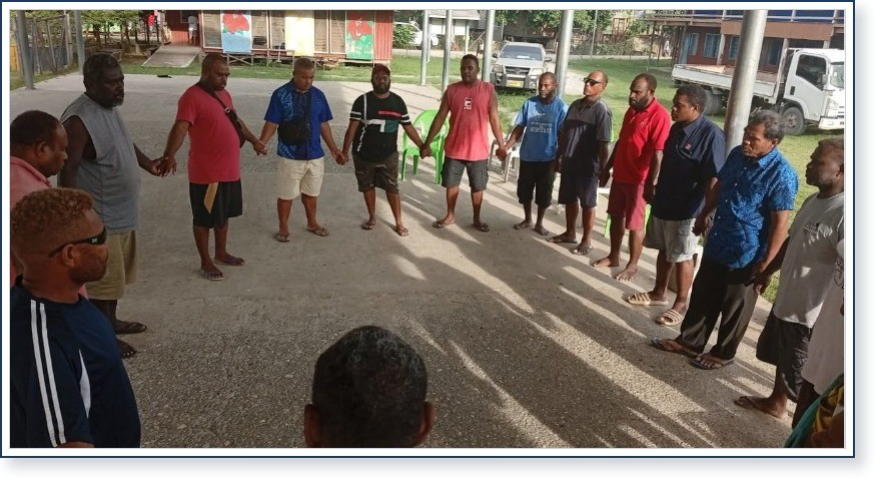
Burns Creek is a young settlement on the eastern edge of Honiara, Solomon Islands, about eight kilometres from the city centre and home to around 5000 people. It grew quickly in the late 1990s and early 2000s, during and after the Solomons’ ethnic tensions, as families looked for somewhere to settle and survive. Life there was hard. Jobs were scarce, schooling was out of reach for many young people and public services were thin.
From about 2003 until around 2010, some young men in the settlement were involved in theft, robbery and violence. Outside the settlement, Burns Creek became a byword for danger, a no-go zone. Unfortunately, the label grew bigger than the truth. The reputation lingered long after the worst years had passed, and it followed ordinary families wherever they went.
Trust in a community like ours is not handed over because you wear a tie or carry a Bible. It is earned visit by visit, year by year. Evening home visits, sitting with whole families outside their houses while the children played nearby, became the ordinary rhythm of the ministry.
As relationships grew, people wanted a place to gather, so a tent went up. It was nothing grand, but it mattered. For the first time, worship was happening where people lived. Some people who would never walk into a church building on a Sabbath morning would stand at the edge of a tent and listen.
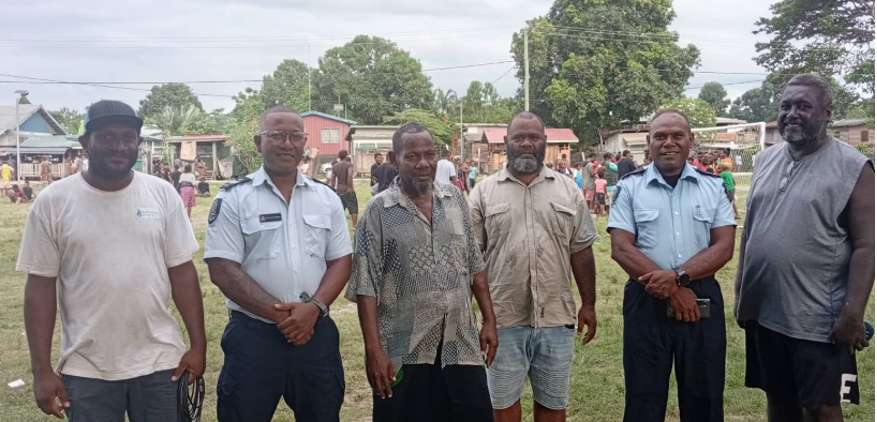
The question that guided us was not “how many came to church this week?” but “is the presence of the church making a real difference in people’s lives?” Those are very different questions, and they lead to very different kinds of ministry.
The year 2019 was a turning point. That was when the Total Member Involvement initiative of the Seventh-day Adventist Church became part of the work in Burns Creek. It sharpened something we had been feeling our way toward: Jesus had to be at the centre not only of our worship but of our problems, our decisions and our community life.
This was a change of mindset more than of programs. We still held meetings and services, but the reason behind them changed. Two habits had to go. One was competing with other churches, as if the goal was to win their members. The second was measuring success only by the names on our church roll. In their place grew a simple shared vision: Burns Creek for Christ. Not Burns Creek for one denomination or one leader, but a community where people could meet Jesus through the way Christians lived, served and treated one another.
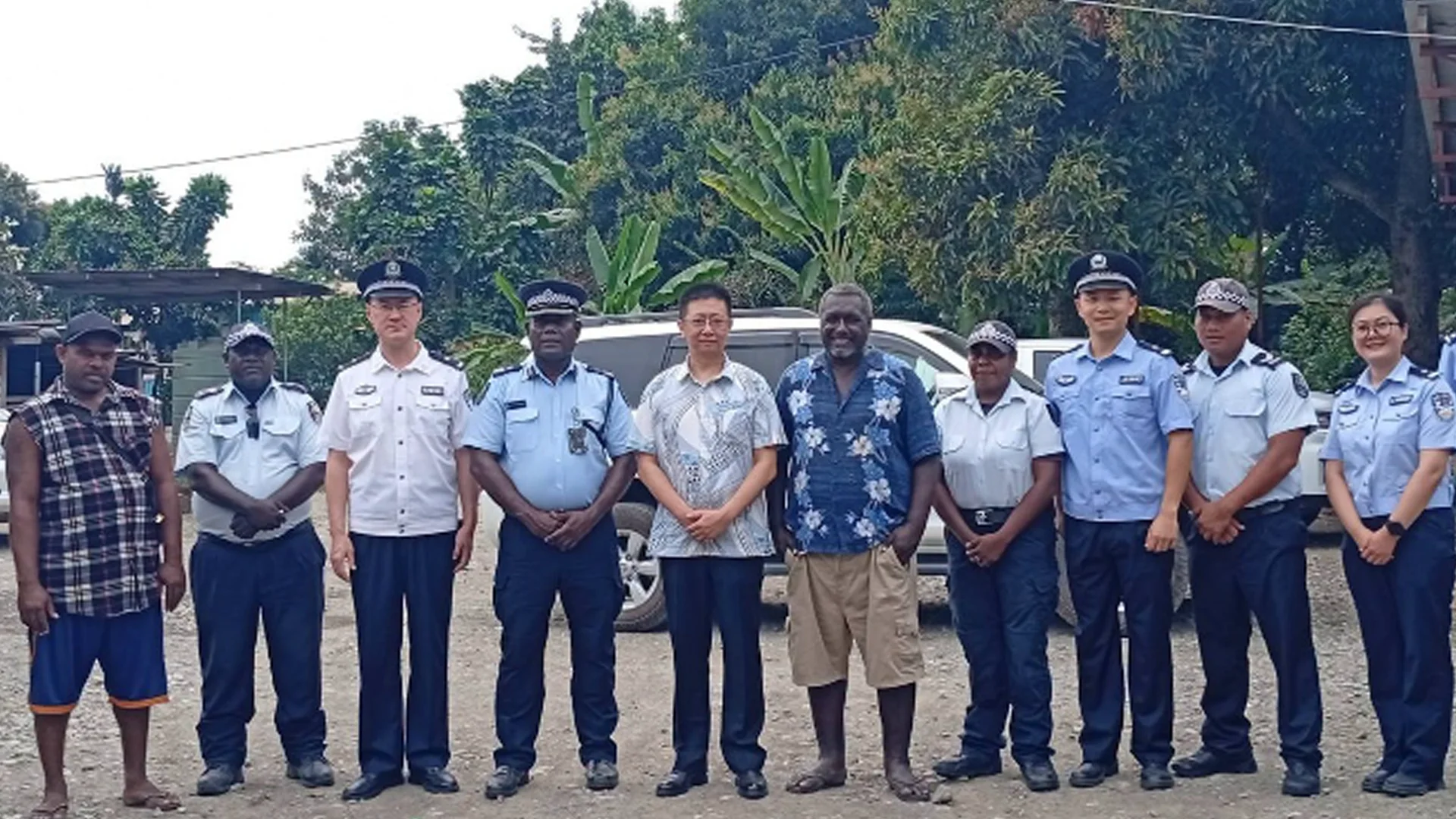
The work became genuinely collegial. Chiefs, leaders of different denominations, families, young people and local services such as the police all played a part. Each church kept its own identity, while all of us shared responsibility for the spiritual and social wellbeing of the whole community.
There was resistance—as there always is when a community starts to change its habits. Burns Creek brings together different families, language groups, churches and life stories. We did not build unity by pretending those differences did not exist. We built it by finding what we held in common and putting Christ at the centre of it. Unity in diversity was not a slogan we preached. It was something we lived.
Between 2020 and 2025, many people inside and outside Burns Creek began to remark on how much the community had changed. I saw churches that once kept to themselves begin to work side by side. I saw families supported through hard seasons by neighbours from other congregations. I saw young people given guidance and responsibility instead of suspicion. When disputes arose, there were now relationships and trusted people through whom they could be settled.
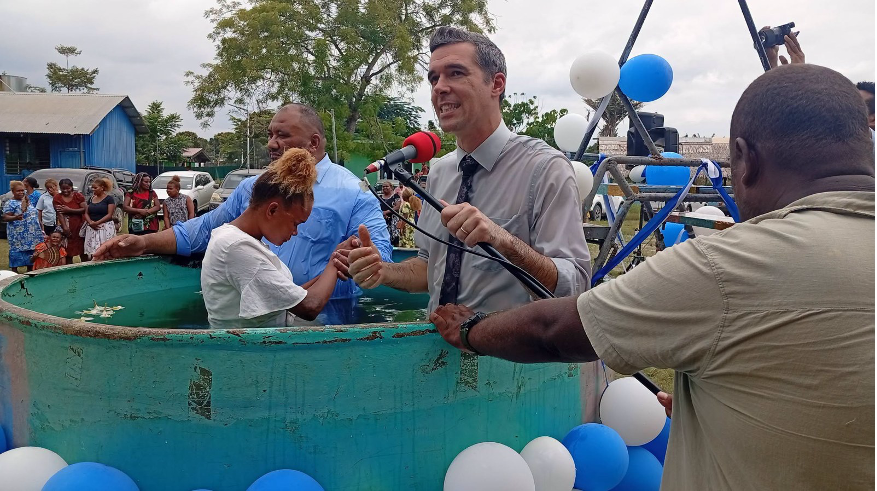
I also saw people respond to Jesus. From 2019 to 2026 we experienced real growth in baptisms. Our records show 283 baptised members, and three more recent baptisms of 3, 49 and 10 people have brought our total membership to 345. For the 2025 to 2026 period, 88 people signed up as ambassadors to carry the work forward, and the ministry now includes three wellness centres and branch churches.
The Wellness Field has become one of the clearest expressions of what we hoped for. It is open ground, in the middle of community life, where families gather, young people play and people of different churches meet. It was where our local Solomon Islands for Christ meetings were held in July. The people on that field were not strangers. They were the neighbours we had eaten with, cleaned up with and mourned with for years. The campaign was the 20 per cent, and it rested on the 40 per cent of connection that came before it.
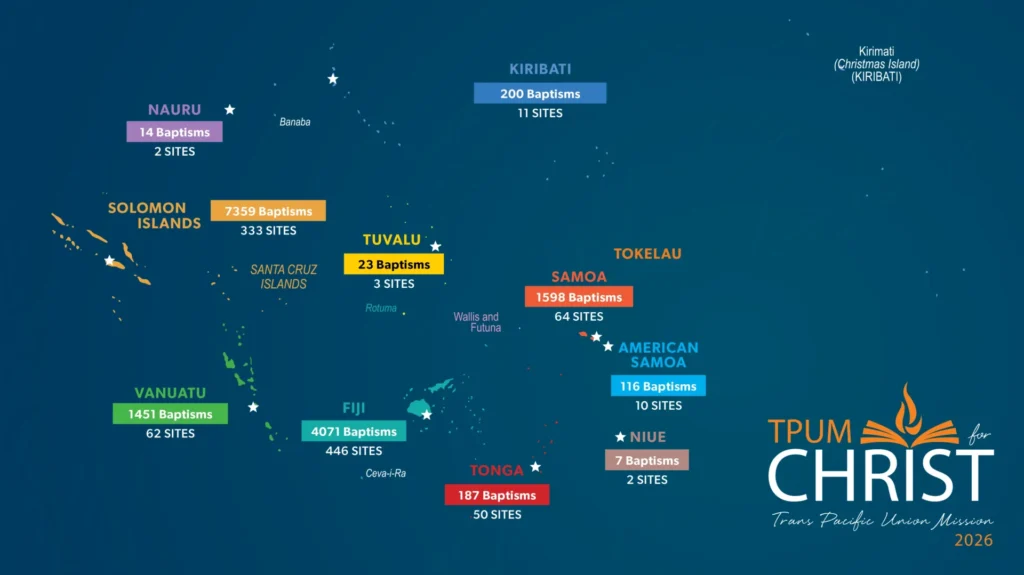
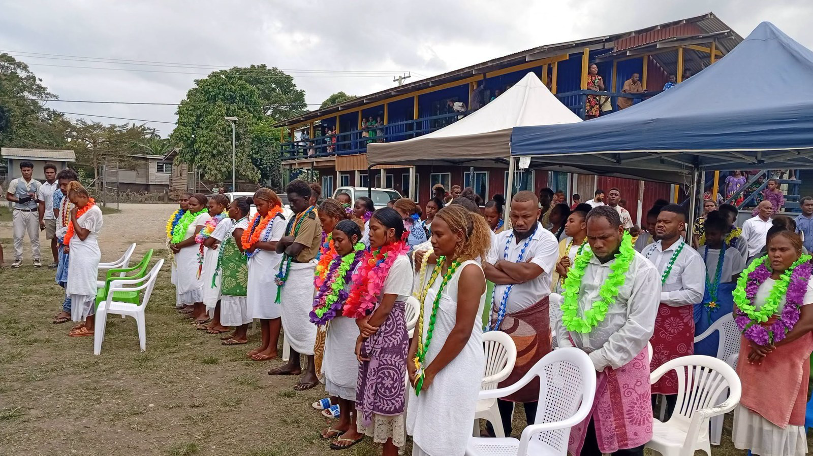
Ten people were baptised the week before the campaign began and a further 49 at the end of the program. Twelve years earlier we had celebrated eight. We began in a tent with a handful of believers and in 2026 we saw the explosion!
Amazing Facts Oceania made an invaluable contribution to the campaign, building connections through two STORMCo service projects at local schools. A betel nut clinic and children’s games provided further opportunities to connect.
Now the final 40 per cent begins: every one of the 59 needs a mentor, a small group and a personal discipleship plan to support them as they grow in faith.
After Solomons for Christ we put in place a Personal Development Wholistic Plan. Its method is simple enough for a new believer to follow. Each one reaches one, and every member stays involved. Each member prays for five people or more and aims to see at least one baptised each year. And every disciple makes disciples, so the new believer becomes the next mentor.
Burns Creek should not be defined by the violence of its past. Its story must also honour the families who longed for something better, the chiefs who worked for peace, the churches that learned to serve their neighbours together and the young people who chose a different road.
We do not need a new method. We need the courage to follow the one we already have. Go to the people. Sit with them. Feel what they feel. Meet their needs. Earn their trust. Then, and only then, invite them to follow the Saviour they have already begun to see in you.
Johnny Tasa is a chairman at Burns Creek Community and head elder for Hi-Way Intergenerational Wellness Seventh-day Adventist Church.