They arrive exhausted. Stressed. Sometimes grieving. Often unsure of what they are looking for—only that they need time away.
Within days, something begins to shift.
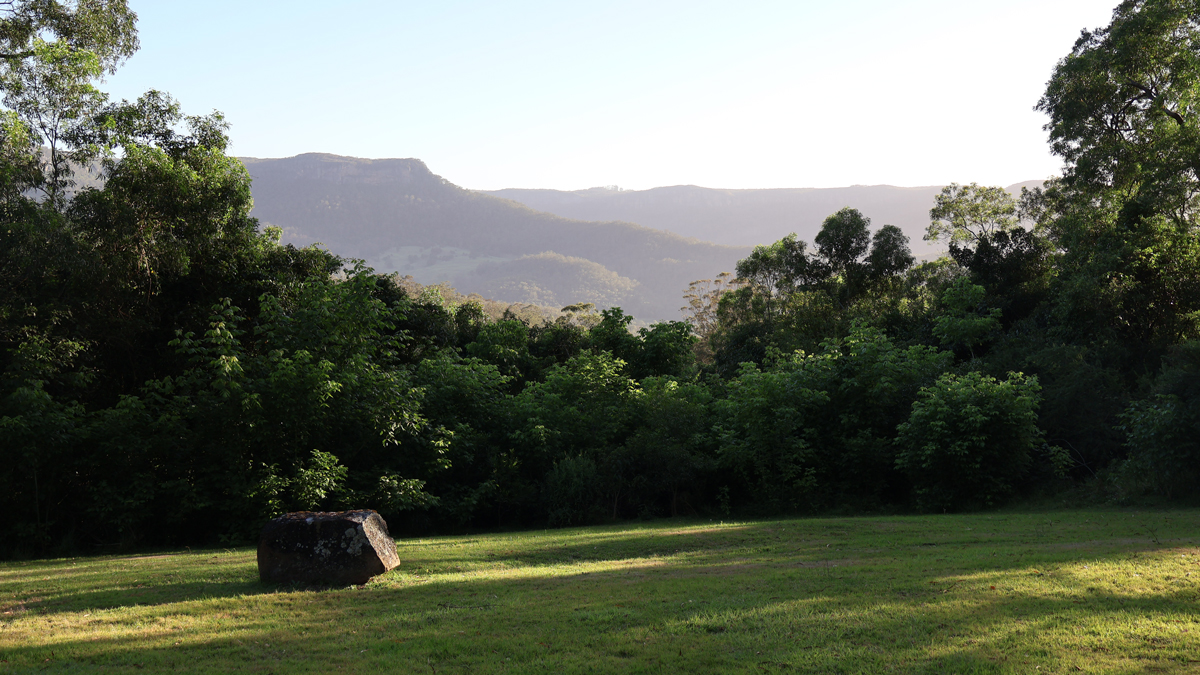
For more than three decades, Cedarvale Health and Lifestyle Retreat has offered a place to slow down, reset and heal. Named after the striking red cedar trees dotted throughout the property, the retreat feels worlds away from the hustle and bustle, nestled amid 150 acres of pristine rainforest in Kangaroo Valley in southern New South Wales.
Cedarvale is a supportive ministry of the Seventh-day Adventist Church, welcoming people from all backgrounds seeking to improve their health and wellbeing.
A vision planted in faith
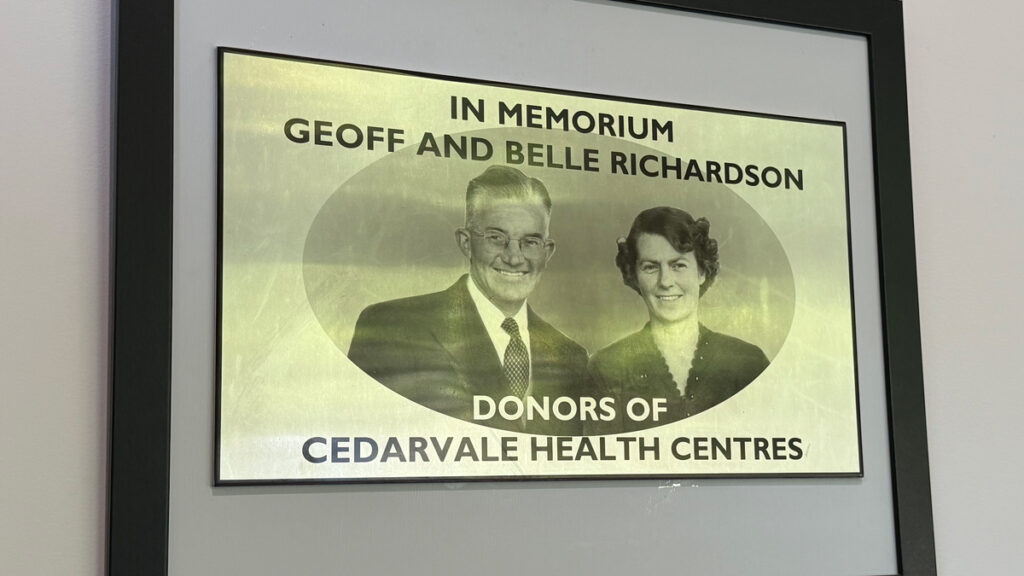
Long before health retreats became popular, Adventist couple Geoff and Belle Richardson purchased the undeveloped bush block in the 1960s. In retirement, Geoff, a builder and architect, gradually began shaping the rugged terrain, including the addition of a transportable site office that became the first building on the property. His vision was shared and nurtured by others—particularly Eric and Hazel Hon, and Doug and Marge Easthope—who saw the potential for the property to operate as a health retreat. Hazel began hosting weekend programs, planting the seeds for what would follow.
In 1990, a weekend retreat hosted by Sydney Van Ministry proved pivotal. This led to a small team, including Scott Tindall, Adrian Dorman and Angela Kerr, going to Cedarvale and giving it a clear vision to become an ongoing health retreat.
A ministry as a charitable entity
Before his death in 1992 at the age of 85, Geoff took a decisive step that would shape Cedarvale’s future—establishing it as a not-for-profit charitable trust.
Today, Cedarvale is governed by a diverse Adventist board and its structure remains intentionally different from most health retreats.
According to former manager and current board member Andrew Wigglesworth, what makes Cedarvale unique is that nobody owns it. “It’s a trust . . . it’s not here for profitable enterprise, it’s here to minister to the community,” he says.
Operating a not-for-profit ministry in the current economic climate has its challenges—especially as the rising cost of living and higher interest rates have affected guest numbers—but the commitment remains.
Supporting the Church’s health mission
With a team of seven and accommodation for up to nine guests at a time, Cedarvale Kangaroo Valley operates at an intimate scale. Most guests come from Sydney and Canberra, though some travel from further afield, including interstate and even New Zealand.
Cedarvale’s relationship with the Adventist Church is both practical and intentional. Conference health directors seek advice or support from the team, and Cedarvale staff contribute—often in their own time—to camps, workshops and outreach programs.
Over the past year alone, Cedarvale staff have presented at the AMEN (Adventist Medical Evangelism Network) Conference, South NSW Big Camp, the ELIA Wellness Summit, Pacific Adventist University’s wellness retreat and local church outreach initiatives.
“If we can support the Church in its mission of health ministry, we will do whatever we can,” Mr Wigglesworth says. “Our primary purpose is to help people with their health but it’s also helping them connect with God.”
Cedarvale is careful to provide evidence-based educational material, aligning closely with the Church’s lifestyle medicine approach.
The Worthy Guest program
As a not-for-profit ministry, Cedarvale also offers practical support for those who may not otherwise be able to access the retreat.
Through its “Worthy Guest” program, Cedarvale provides subsidised stays for people facing particular challenges, including pastors and teachers experiencing burnout, grief or serious illness. The program is supported through tax-deductible donations—a “pay-it-forward” model that enables others to receive care when they need it most.
Healing the whole person
The Cedarvale approach is gentle and relational. Of the 1000 guests hosted during the past five years, the vast majority (95 per cent) were from the wider community. People arrive through referrals from health professionals, word of mouth, online searches or simply by noticing the sign on the retreat’s front gate.
Guests come for many reasons, with stress being the most common. Anxiety, sleep issues, lifestyle-related conditions or major life transitions like retirement are other factors. Many are return guests, some nearly every year, seeking a renewed focus.
“We see people, particularly people who are very stressed, able to recalibrate and find the motivation to go back and live life again in perhaps a better way,’’ says Mr Wigglesworth’s wife Jenny, a nurse and Cedarvale’s wellness coach.
“Cedarvale provides the opportunity to relax in a welcoming environment where guests feel nurtured and cared for—that’s a big thing for a lot of people, particularly for those who are living alone, struggling with loneliness.”
The program addresses the whole person—mind, body and spirit—through nourishment, activity, rest and connection. Guests take part in nature walks, health talks, cooking classes, exercise sessions and treatments ranging from massage to skin therapies to hydrotherapy. Nutritious plant-based meals are served throughout the stay, and guests receive a recipe book to take home.
What many notice most, however, is the atmosphere. Guests regularly comment that “there is something different about this place”. Some ask questions, seeking to know what it is that makes it different. Others recognise it readily as the presence of God.


Spiritual discussions
Spiritual conversations arise naturally—over meals shared with staff, during one-on-one wellness coaching or on quiet walks through the rainforest. Staff will sometimes offer to pray before a guest’s treatment, depending on where that person is on their spiritual journey.
Adventist books and other resources are on display and shared with guests, and connections are developed. Over the years, Cedarvale staff have witnessed countless stories of transformation and have connected many people with local pastors and churches.
“It’s not our purpose to preach to people here but we are always willing to have a conversation with those who are inquiring, and so there have been discussions on all sorts of doctrinal issues,” Mrs Wigglesworth says.
“You can establish trust with people very quickly in a setting like this that may take longer if it was not in this kind of environment. It’s recognising that it’s God’s work that keeps you going because it is a work that takes all of your focus and attention. We definitely rely on the Holy Spirit to guide the words that we say.”
That reliance on God’s guidance has shaped not only individual encounters with guests, but Cedarvale’s story as a whole. “We could have written probably a dozen books by now just with the stories of how God has protected this place,” reflects Mr Wigglesworth, recalling fires, floods and other incidents. “We see that God has been able to protect and keep the place safe from serious calamities.”
A second Cedarvale
In recent years, Geoff Richardson’s original vision for “Cedarvale Health and Lifestyle Retreats” has begun to take new shape. In 2023, a second Cedarvale site opened in Victoria’s Yarra Ranges.
“For us that was an exciting moment,” Mr Wigglesworth says. “Geoff always had a vision that there would be more than just this site here at Kangaroo Valley and it wasn’t until the last couple of years that that vision has been realised.”
The purpose-built wellness facility and training centre is designed to minister to the needs of the Victorian public and also support the health ministry work of the Victorian Conference and wider church ministries.
While the work continues to expand and adapt, Cedarvale’s core purpose remains unchanged. It offers something increasingly rare in our fast-moving and often fragmented world: a place shaped by faith, where people are given time, space and care to begin again.