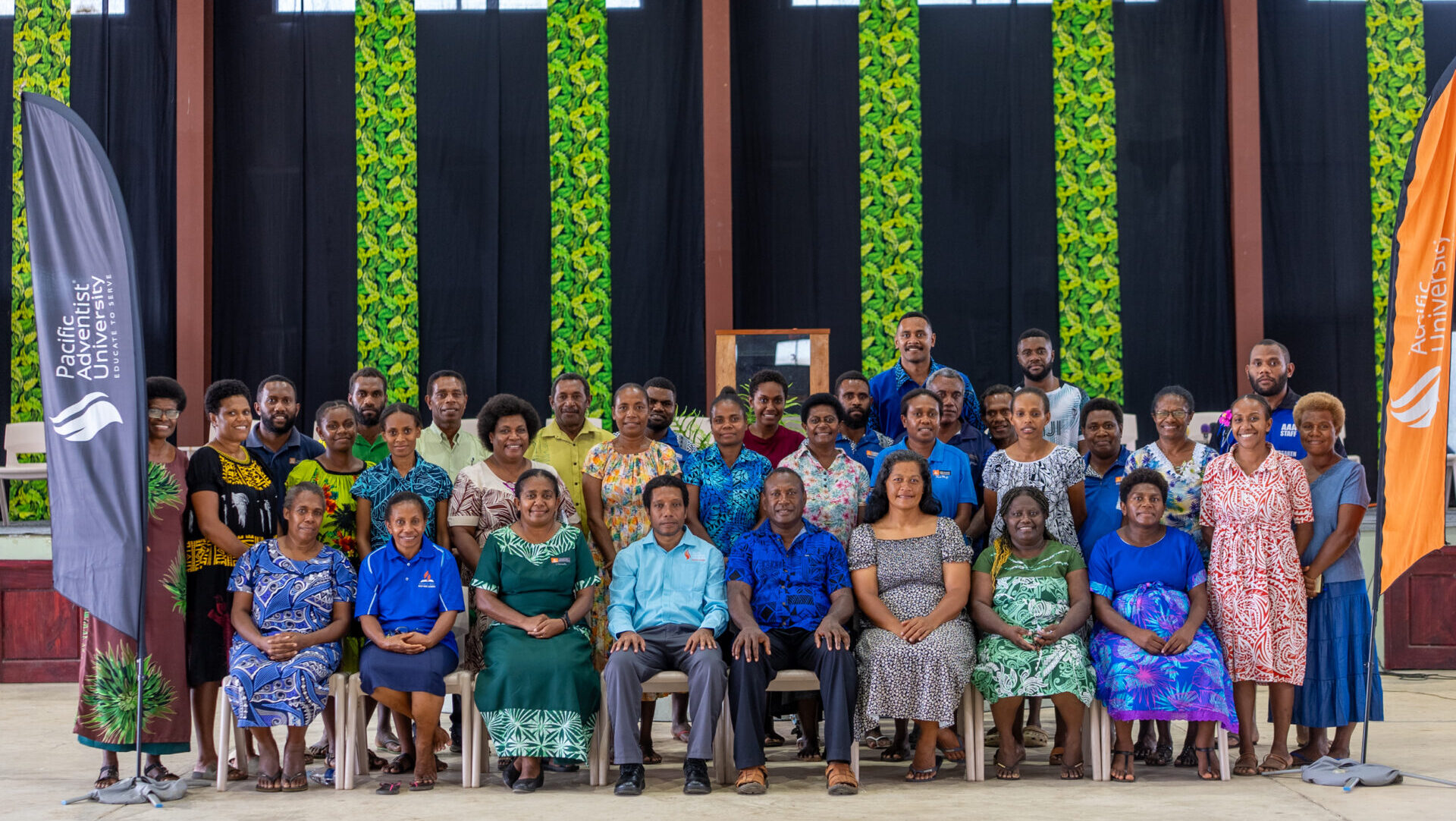
Pacific Adventist University (PAU) has expanded its academic programs into Vanuatu, launching a range of higher education courses during a ceremony held on January 20 in Port Vila.
The launch expands the partnership between PAU and Vanuatu Mission and follows a series of formal agreements, including a Memorandum of Understanding aimed at strengthening education and health training in the region. By offering programs locally, PAU is increasing access to its values-based tertiary education for Ni-Vanuatu students without requiring them to relocate to the university’s main campus at Koiari Park in Papua New Guinea.
The expansion includes a focus on critical sectors, including a Bachelor of Nursing Conversion program and selected business and education courses, to address workforce shortages in Vanuatu.
Speakers at the ceremony included representatives from university administration and church leadership, who highlighted the theme “Educate to Serve.”
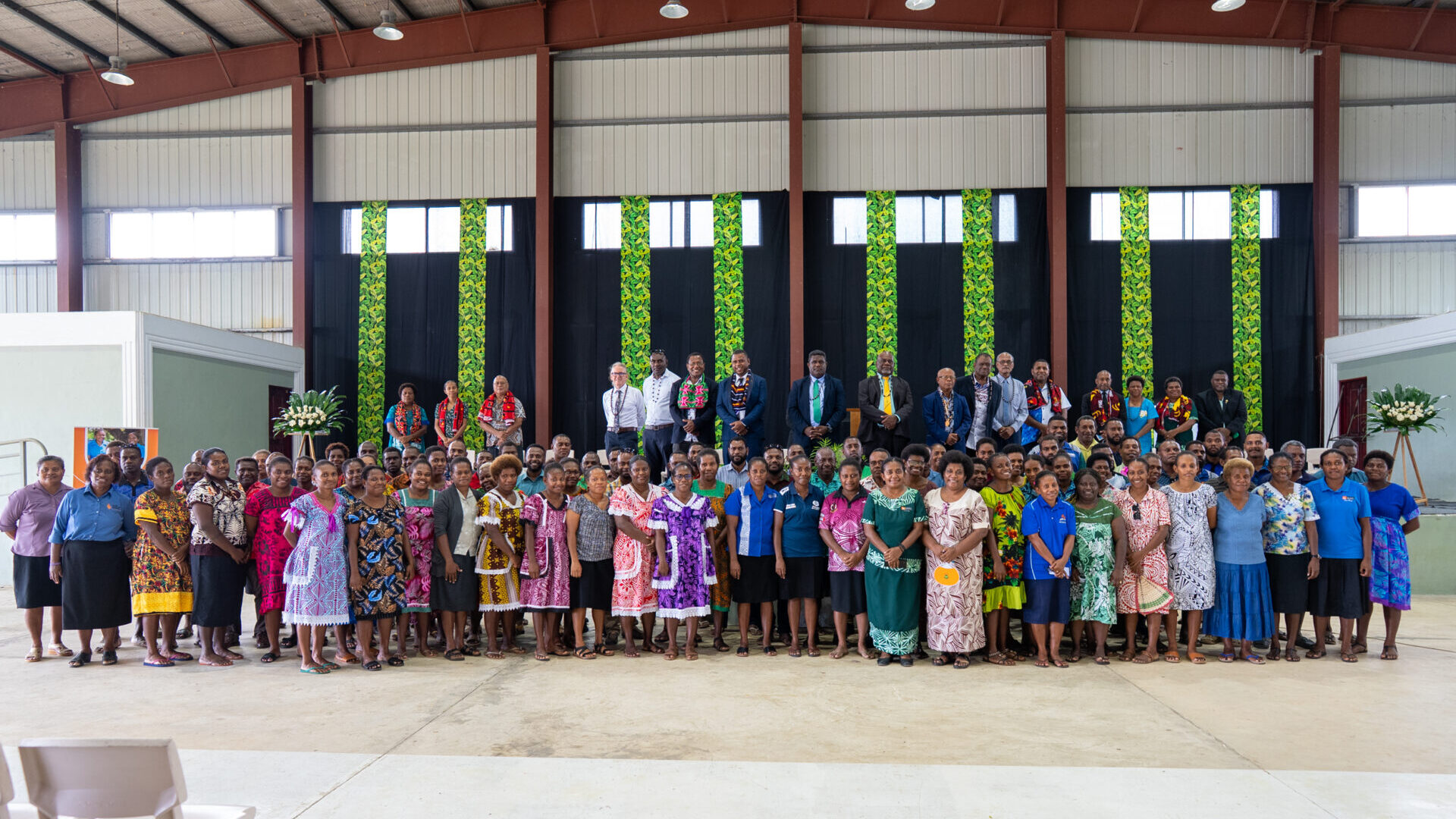
“This is more than just an academic expansion; it is a commitment to the future of Vanuatu,” PAU Vice Chancellor Professor Lohi Matainaho said during the live broadcast. “By bringing PAU to Vanuatu, we are ensuring that our students can remain within their communities while receiving an education that prepares them for both professional excellence and faithful service.”
The initiative is bolstered by a scholarship program announced by the Papua New Guinea government, which assists students from Vanuatu and the Solomon Islands studying through PAU.
The Vanuatu launch is part of PAU’s 10-year strategic plan to expand its educational presence across the South Pacific. The new programs join the university’s existing affiliated sites, including Sonoma Adventist College (PNG) and Atoifi Adventist College (Solomon Islands), which provide specialised training tailored to the needs of the Pacific Islands.
Enrolment for the 2026 academic year is now open. Local students in Vanuatu can apply through the Vanuatu Mission education department. With classes set to begin in late February, the university is expecting “a strong first intake of students ready to become the next generation of world changers.”