The following is a summarised version of a letter sent on the September 30, 2026. Dr Brendan Pratt’s reply to this letter will be online next week.
Dear Pr Jeffrey Masengi
CC: Dr Brendan Pratt, Pr Murray Hunter
I hope this letter finds you in good health and God’s favour. I’m writing to you because I’m concerned that the Adventist Church in Australia relies on artificial intelligence (AI) too much, and that this will make our spiritual health worse. Our Church needs to talk about how we use AI, before we get too deep in it.
I have just come back from my local conference’s Big Camp, and generative AI was used everywhere. It seemed like all the posters were made with AI. Children’s stories were accompanied by AI. Even the cafeteria menus were obviously AI generated.
When I was volunteering, AI was everywhere there too. Many of the signs on our drama set were created with AI. Hilariously, we took a team photo, then someone ran it through AI and it didn’t look like any of us in the slightest—two people were even combined into one!
I’ve seen pastors use AI on a regular basis in their work. For a while it was just to make pictures for PowerPoint presentations, but I have seen pastors using AI to develop Bible studies now as well.
It is not just the Church that uses AI so much; many Adventist content creators use it too. Some use it to generate images to go with human text, whereas some use it to write the text itself. I don’t think we’ve had a conversation as a Church about when, where and how we should use AI. Whatever side of the fence we decide to land, we should at least understand why we do what we do.
There are benefits to using AI, and uses of AI that (virtually) no-one has a problem with. No-one would care if someone used AI to spell, grammar and reference check. Using AI saves time, which is a temptation in the busy world in which we live. And if you don’t know how to do something, AI can do it for you without you having to learn.
But there are some real dangers to using AI. Social media users trust AI content less, and they’ll turn off if they think we’re using it. This is bad for our social media evangelism—how can we reach people if they don’t want to look at our posts? There’s so much AI-generated content on a user’s feed these days that ours will get lost in the sea of it.
Even worse, using AI encourages “cognitive surrender”, as users trust how confident an AI sounds, and don’t check if the AI is actually correct. AI regularly “hallucinates” information; an AI is programmed not to say “I don’t know”—it will make up stuff if it judges that it’ll make you happy. Also, doing a difficult task teaches us how to do that task better. By using AI, not only do we get dumber, but we also give up the opportunity to get smarter.
What does the Bible say about work? When Adam was created, his first job was naming the animals—working as their leader and provider. Work is essential; without it we can’t do God’s calling. In addition, work is how God changes us to be more like Him (James 2:14-18) because we learn to value the things that God cares about.
Ellen White shares some important thoughts on God’s calling on our lives to do mission:
“The angel sent to Philip could himself have done the work for the Ethiopian, but this is not God’s way of working. It is His plan that men are to work for their fellow men” (AA109.2).
Because God has given us the responsibility of sharing the gospel, why should we give up that responsibility and give up the opportunities to be transformed by the Holy Spirit?
What does it mean for humans to be made in the image of God? The image of God is being a representative of God in the world, and living in spiritual community. A vital part of the image of God is being able to create (Genesis 1:28). Because of this, why weaken the image of God by making a machine create and connect with others for us?
Our culture is obsessed with new things. When we pump out content with AI, are we living by the world’s values? We should stand apart by sharing content that was created by humans and led by the Spirit—even if there is less of it.
In our culture, loneliness is becoming more and more common today. Perhaps lonely people need to see human content. Maybe then they’ll see that people out there care enough about them to share who they really are.
Having considered all of this, I request that the Church do the following:
1. Don’t use AI in church media, especially for pictures. People don’t trust it, and if we use it, we will turn people away. When we use AI to generate images, we’re robbing our artists in the Church of the opportunity to use their gifts to glorify God.
2. We need to train our volunteers to make good looking visuals and authentic writing. Let’s use Christian and Adventist stock image sites and Adventist artists, and use tools like Canva to create good-looking but human content.
3. Our theologians need to think and write about how work and AI affect us spiritually. Some people have already started this, but we need to do more. This will inform how we use AI from a spiritual perspective so that we can be more faithful to God’s calling on our lives.
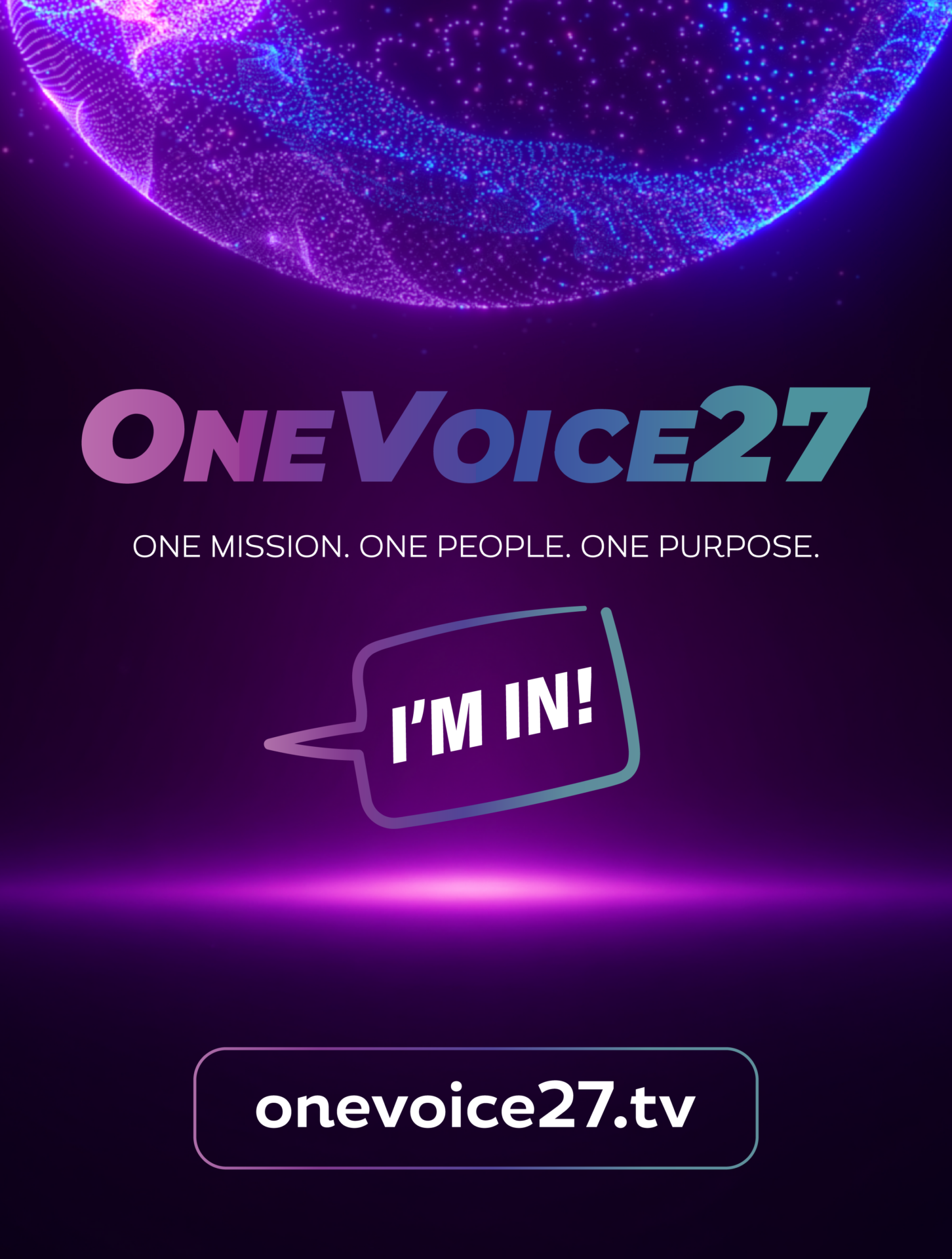
4. Ensuring that big evangelism programs do not use AI. With OneVoice27 coming up soon, it is important that we do not hurt our witness by doing things that will cause non-Adventists not to trust us. Evangelism is all about authentic sharing, so we should be the ones sharing, not our computers.
Thank you for taking the time to read this letter, and I pray that as we discuss the issue, we can learn to be more faithful with modern tools without compromising God’s ageless call on our lives.
Yours in faith,
Mitchell Strahan
Mitchell Strahan is a secondary teacher in South Queensland.