Ned is my nephew.* From the very beginning, his life has been marked by hardship. Yet through every trial, Ned has remained a living testimony of God’s sustaining grace. His survival is not just a story of strength, but a powerful reminder that God’s hand never leaves His children, even in the darkest moments.
When Ned was just a toddler, his parents went through a painful divorce. My mother, out of love and deep concern, took him in. She enrolled him in school and did her best to raise him with Christian values. As a young boy, Ned joined Adventurers and showed an early interest in spiritual things. But growing up in a settlement where drunkenness, loud music and swearing were normal, his interest in church slowly faded.
Entering his teenage years, Ned began following the wrong crowd. He started engaging in illegal activities like stealing and drug use. I believe the emotional wounds from his parents’ separation left a deep scar, and he was searching for love and identity in all the wrong places.
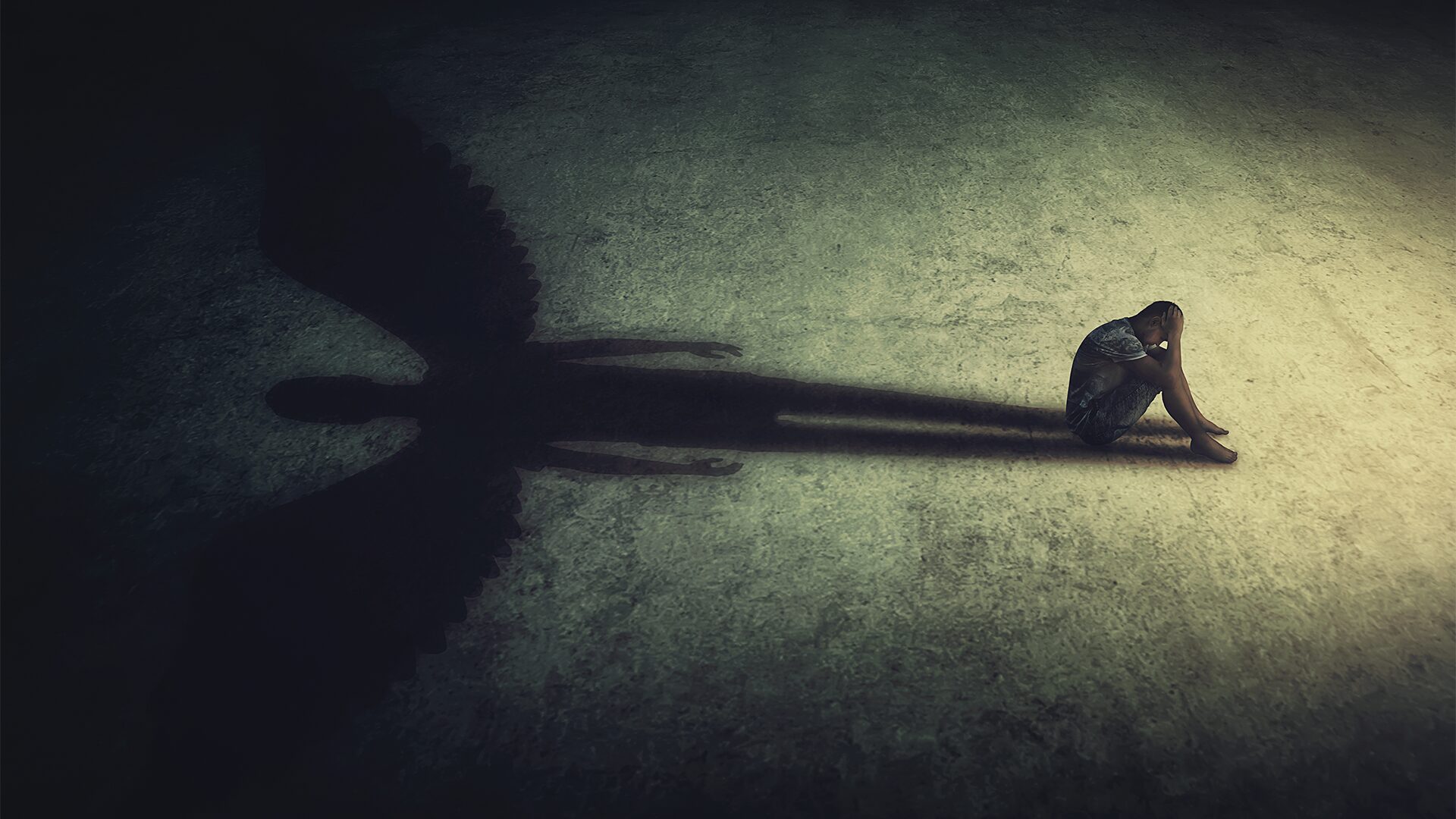
Tragedy struck again when our mother passed away while Ned was in Grade 10. Her death left him emotionally shattered. She had always been the one reminding him to attend church and telling him to stay away from bad influences. Without her, Ned spiralled even further. He started using marijuana and stealing to survive. The pain was too much to bear, and his actions became more destructive.
My father, though not a working man, tried to provide for the family by selling second-hand clothes. But when Ned asked for money and was refused, he would destroy the clothes out of anger. Eventually, my father could no longer cope and returned to our village, leaving Ned behind. Our relatives, dealing with their own family responsibilities and disheartened by Ned’s behaviour, offered little support. He was truly alone.
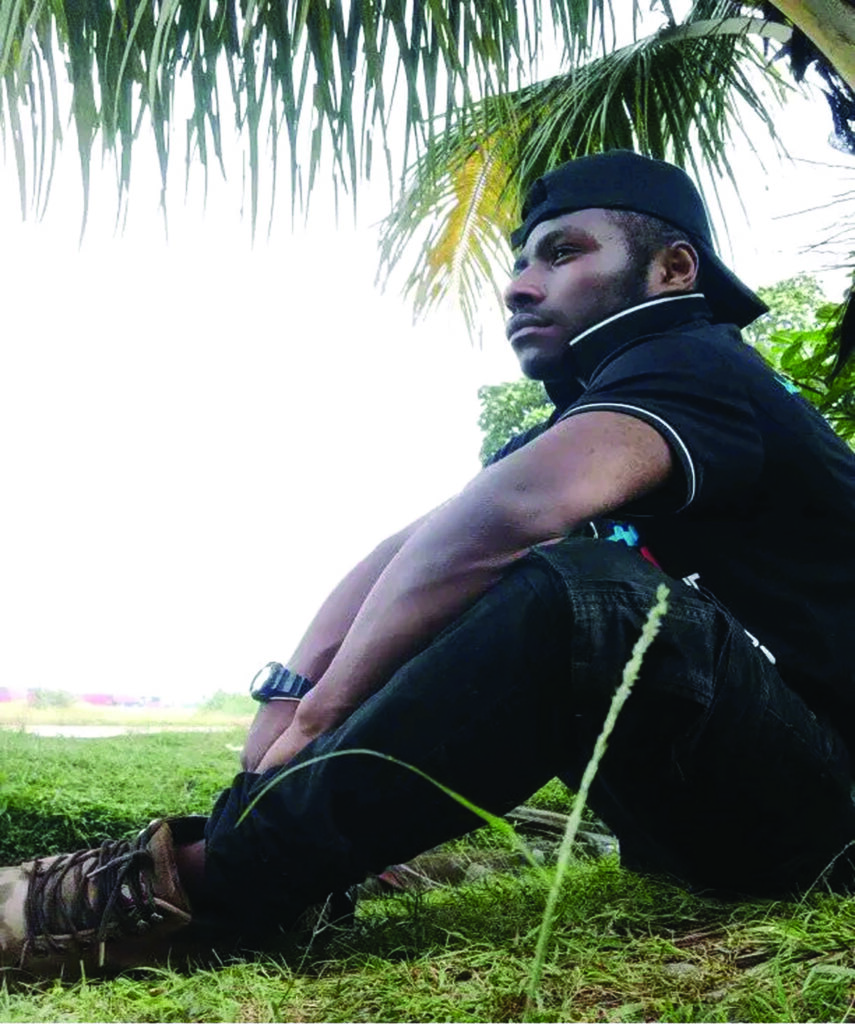
One afternoon, drunk and roaming the streets of Kundiawa town, Papua New Guinea, Ned began demanding money from market vendors. When the police arrived, they struck him with a gun and hauled him off to prison. It was there, in a cold and lonely cell, that something changed. Surrounded by silence and metal bars, Ned remembered the words of our late mother, her prayers, her voice, her constant encouragement to follow Jesus.
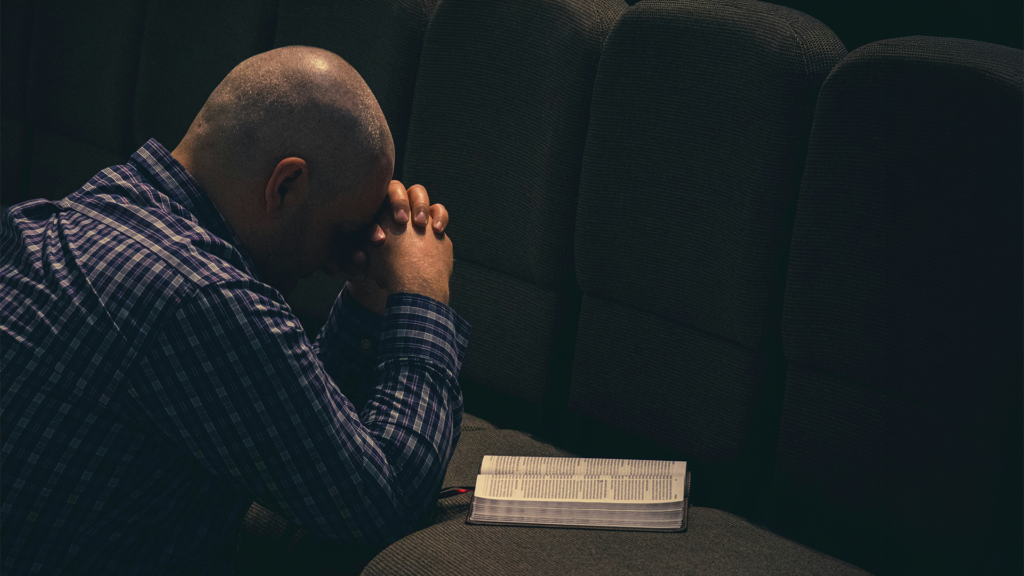
For the first time, he knelt down in that prison cell. Tears streamed down his face, and though he could not find the words, his heart cried out to God. That moment marked the beginning of a new path.
After his release, Ned began attending church every Sabbath. He never missed a service. Though financial struggles meant he had to withdraw from school, he held onto his faith. He would often say, “God shall supply all my needs according to His riches in glory” (Philippians 4:19). These were not just words, this was his new belief, born from brokenness and rebuilt through grace.
There are many children like Ned, living on the streets, broken by divorce, abandonment or abuse. Some have lost their parents. Others suffer silently from violence within their own homes. As Christians, we are not called to stand back and watch. We are called to act. To love. To connect these children to hope and healing.
In Papua New Guinea, ministries such as Operation Life, City Mission, ADRA PNG and others are working to support and restore vulnerable children and youth. Around the world, there are faith-based and humanitarian organisations doing life-saving work to protect and empower children—ministries that provide food, shelter, education, counselling, and most importantly, the love of Christ. These are lifelines we can point young people toward. But more importantly, we must be the hands of Jesus, reaching out, lifting up and never giving up on those society has left behind. The Bible reminds us, “A father to the fatherless, a defender of widows, is God in His holy dwelling” (Psalm 68:5, NIV). And it commands us to, “Speak up for those who cannot speak for themselves, for the rights of all who are destitute” (Proverbs 31:8, NIV).
Ned’s story is proof that no-one is too far gone, and no place too dark for God’s light to reach. Let us become that light wherever God places us in the world.
Churches must create outreach programs to visit settlements and share God’s love with those who need it most. Young people in hard places need to see and feel that someone cares, and that Jesus has not forgotten them.
*Name has been changed.
Rose Maine Sinias writes from Port Moresby, Papua New Guinea.