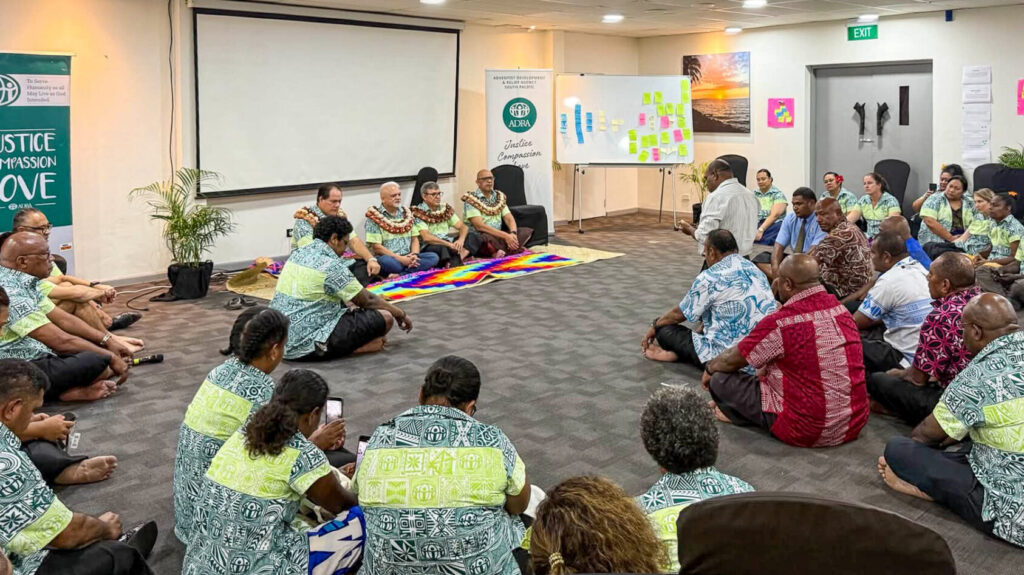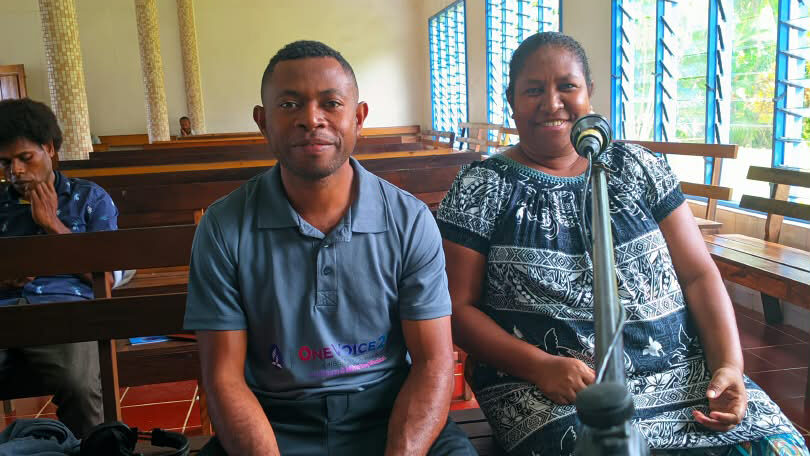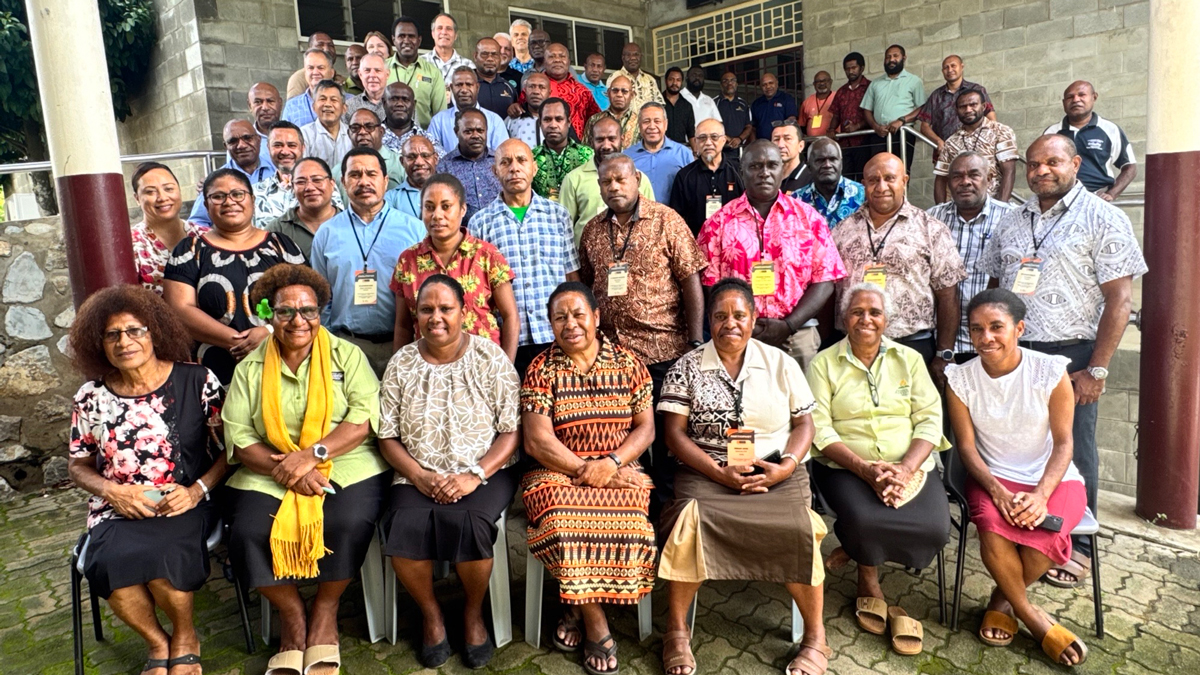
A new chapter of mission leadership has been prayerfully shaped as officers and senior institutional leaders of the Papua New Guinea Union Mission (PNGUM) gathered for the 2026 Quinquennial Mission Orientation Program, held at Pacific Adventist University from February 2–6.
Marking the beginning of a new quinquennium, the orientation brought together leaders from across Papua New Guinea and supporting entities for a week of spiritual reflection, strategic alignment and practical equipping, grounding every leadership responsibility in biblical mission and the evangelistic calling of the Seventh-day Adventist Church.
PNGUM president Pastor Danny Philip welcomed participants by acknowledging the significance of the moment, describing the gathering as “a time of renewed trust, responsibility and opportunity in His service”. He thanked God for His guidance in bringing leaders together at the outset of a new five-year period and expressed appreciation for the support of facilitators from the South Pacific Division (SPD), noting that their presence strengthened leadership capacity and reinforced unity across the global Church.
Throughout the program, speakers emphasised that leadership within the Adventist Church is not merely administrative but deeply spiritual. Biblical principles such as servant leadership, stewardship and disciple-making framed each session, reinforcing the understanding that organisational systems exist to support the gospel, not replace it.
Reflecting on the General Conference theme, “Integrated for Mission—Grounded in the Bible and Focused on the Mission”, Pastor Philip reminded leaders that Scripture remains the Church’s ultimate authority. “It shapes our values, informs our leadership and guides our decisions,” he said, adding that whether leaders serve in administration, finance, education, health or pastoral ministry, their work exists to advance the gospel, nurture disciples and prepare people for the soon return of Jesus.
Workshops explored how mission priorities across Papua New Guinea—including discipleship, church planting, youth engagement and institutional influence—can be woven into daily leadership decisions. Presenters consistently returned to the principle that structure should serve mission, enabling growth rather than hindering it.
The orientation followed a strategic planning phase in which PNGUM leaders met to develop their vision and priorities for the new quinquennium. This ensured the program was not only inspirational but practical, aligning leadership roles, departmental focus and institutional contributions with a shared mission direction.
In addition to spiritual formation, the orientation delivered practical training designed to support leaders in their operational responsibilities. Sessions addressed governance, financial oversight, policy alignment, education and health institution management, and workforce development, presenting these functions as mission-support systems that promote transparency, sustainability and credibility in advancing the gospel.
Participants engaged in guided discussions, case studies and scenario planning aimed at equipping them to navigate the complex realities of mission leadership across PNG’s diverse cultural and geographic contexts.
A strong emphasis was also placed on collaboration between conferences, missions and institutions. Organisers highlighted that evangelistic growth in Papua New Guinea depends on close alignment between church entities, schools, health services and local congregations, encouraging leaders to view themselves as one mission family with complementary roles.
The orientation brought together a broad cross-section of leadership, including union and local mission officers, finance and human resources leaders, institutional principals, education and humanitarian representatives. Many participants travelled long distances from remote regions of the country to attend.
Pastor Philip also took time to honour leaders who have served in previous years, acknowledging the foundation laid by past presidents, secretaries, treasurers, institutional administrators, pastors and lay leaders. “Through their vision, sacrifice and unwavering commitment to God’s work, the Church in Papua New Guinea has grown, matured and been firmly established,” he said.