The Adventist Development and Relief Agency (ADRA) activated an emergency response after a supercell storm hit South Queensland on November 11, uprooting trees, damaging property and downing more than 400 powerlines.
Schools and more than 80,000 households were left without power for up to two and a half days, causing refrigerated groceries to spoil and leaving many families without food. “For many families living on the edge, losing a fridge full of food means going hungry without support,” said ADRA emergency management program officer Naomi Vaotuua.
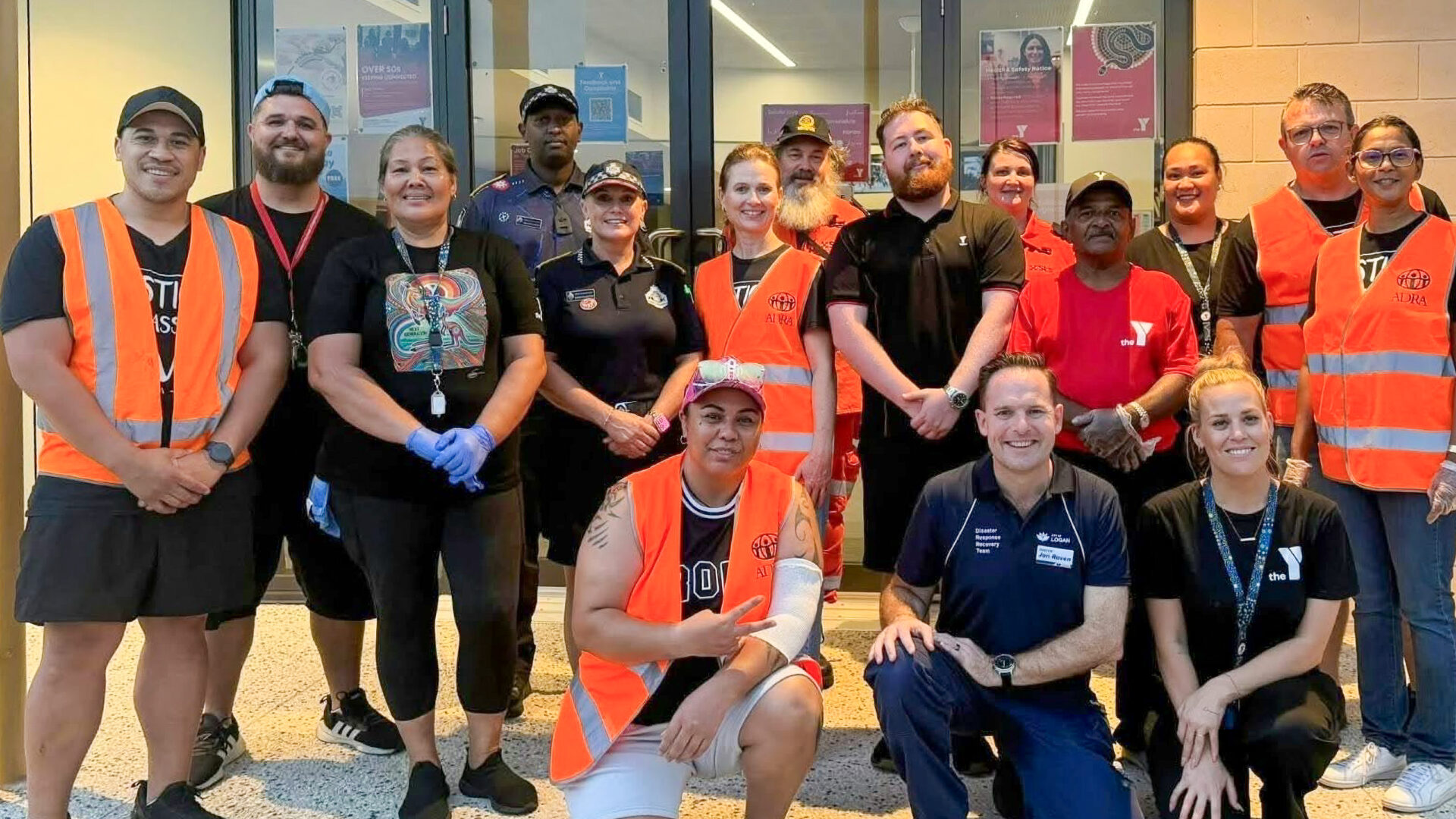
Volunteers from the ADRA Community Centre Logan and surrounding Seventh-day Adventist churches mobilised to pack 200 non-perishable food hampers for families who had lost power and their week’s groceries.
In partnership with The Buzz Yarrabilba Community Centre, ADRA also hosted a community barbecue, attended by almost 200 people, including representatives from the State Emergency Service, Queensland Police Service and local government.
“This is so good that we’ve got ADRA coming down to help people out with some food packs,” said Mayor Jon Raven. “It just shows that when the community comes together, we’re able to provide the kind of support that people need to get through challenges like this.”


Community members also expressed appreciation. “Everyone I talked to had no power,” said ADRA volunteer Vanessa Heggie. “Many had come [to the barbecue] to charge their phones and were really appreciative of the food and hampers.”
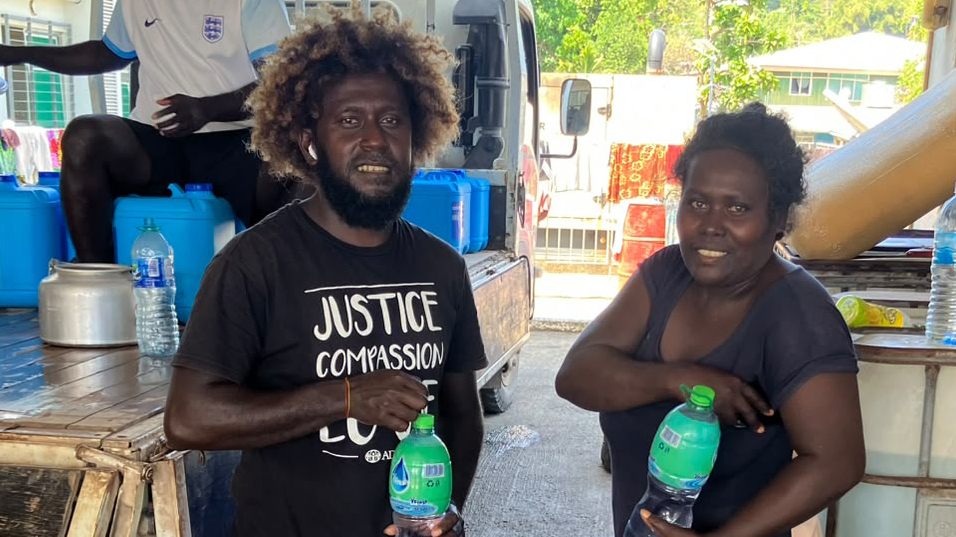
For some families, the power outages also impacted water supply, causing hygiene and sanitation concerns.
“There were also a few people who lived on acreage with large families who had no drinking water, no power and no flushing toilets,” said Ms Heggie. “They said the hampers would make a huge difference and were very thankful.”
Ms Heggie is one of the many volunteers in disaster-prone areas equipped by ADRA during its National Emergency Response Team (NERT) training in late 2025.
“Conducting training before a disaster strikes means that volunteers and staff on the ground feel equipped to respond in times of disaster,” said ADRA South Queensland regional manager Lisa Booth. She explained that many ADRA volunteers who mobilised for the response had participated in the NERT training.
“There are so many volunteers that have come together at such short notice, and it just warms my heart because this is what community is about,” added Ms Booth. “And to see so many volunteers come together with a few hours’ notice and to look at the difference that it’s making here already, so big shout out to them.”
To support ADRA’s response in times of disasters, you can give at adra.org.au/disaster.