Some places carry stories disproportionate to their size.
Some years ago I visited Gretna Green, a little village near the border of England and Scotland. It looked quiet enough, but its history was anything but ordinary. For generations, couples crossed into Scotland to marry there when the road to marriage in England was more difficult. It became famous as a place for runaway weddings, determined love and vows spoken across borders.
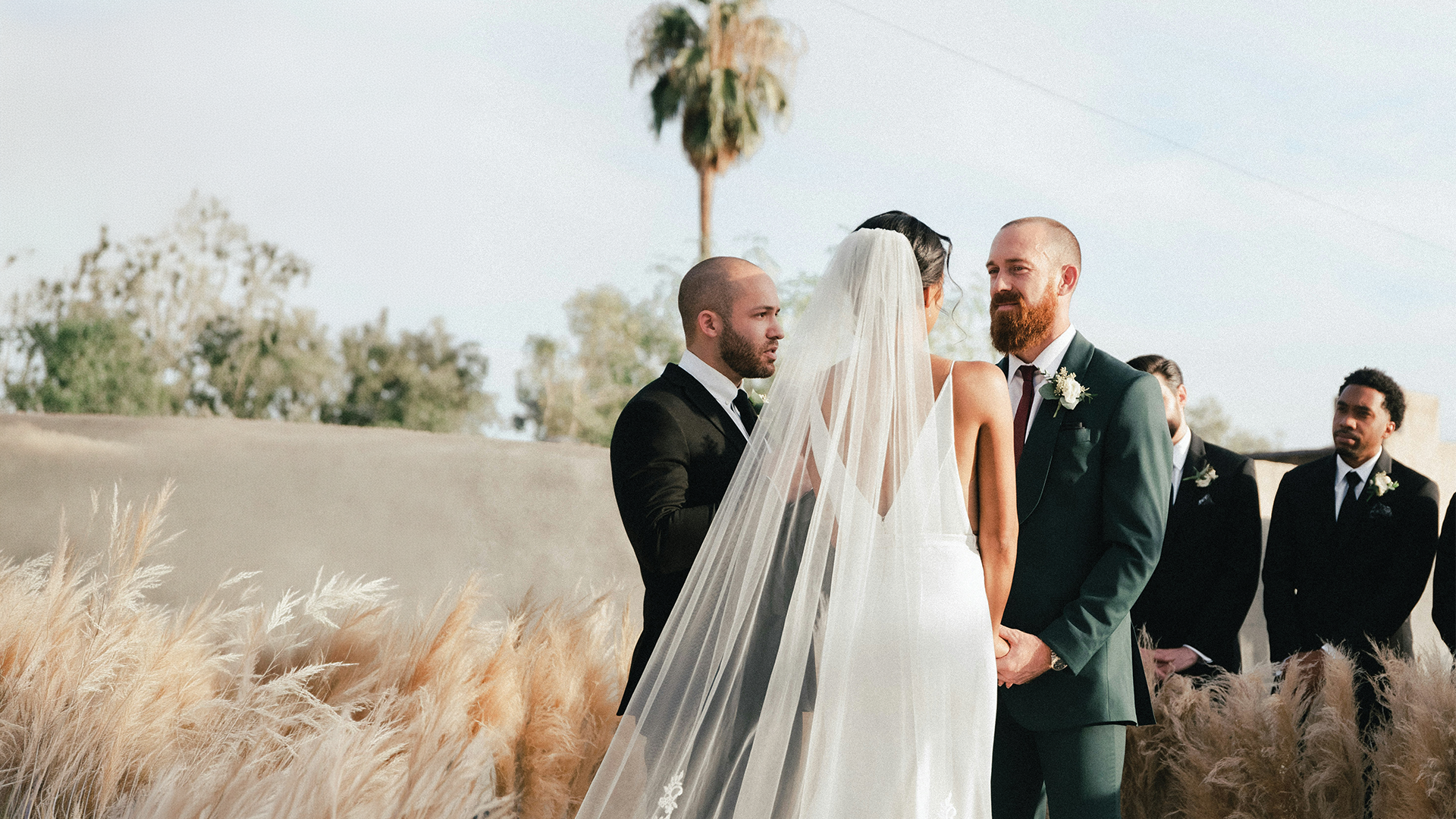
While I was there, the history was suddenly brought to the present. A young couple was actually getting married. It wasn’t just a museum story about lovers from another age, but a place where vows were still being spoken, promises still being made and two lives still being joined together.
That scene stayed with me. It reminded me that a covenant is not only something to admire from a distance, but something invitational. Love is not merely a story to remember, but something we desire and respond to. The Bible tells the greatest covenant story of all: the story of a God who crossed every distance to bring His people home.
1. Love is willing to cross borders
Gretna Green became famous because people were willing to cross a border for love. Whatever their circumstances, they made the journey because the covenant mattered to them.
There is something profoundly human in that. Love seeks and crosses distance. Love is not content to remain safely untouched when its beloved is on the other side.
Scripture tells us that God’s love is not distant or passive. “I have loved you with an everlasting love,” the Lord says, “therefore with loving kindness I have drawn you” (Jeremiah 31:3). God’s love draws near.
The gospel goes even further. In Jesus Christ, God did not merely send a message across the border between heaven and earth. He Himself came. John writes, “And the Word became flesh and dwelt among us” (John 1:14). The eternal Son entered our world, our weakness, our sorrow and our need. And this love cost Him His life.
Christ crossed the distance sin had created. He came into the world not because we had made ourselves worthy, but because of His love for us. Paul says, “But God demonstrates His own love toward us, in that while we were still sinners, Christ died for us” (Romans 5:8).
At Gretna Green, couples crossed a human border to make a vow. In Christ, God crossed the infinite distance to keep His promise.
That is the wonder of grace. We do not begin the journey towards God alone. Before we ever seek Him out, He already seeks us. Before we ever speak our vows, He has already spoken His covenant love.
2. Vows are more than beautiful words
A wedding is beautiful, but it goes beyond just a beautiful moment. There are flowers, music, smiles and photographs, but at the heart of a wedding is a covenant. Two people not merely celebrating an emotion, but making a promise to each other.
Vows matter because they give shape to love. They turn affection into commitment.
In the Pacific, a wedding is rarely treated as a private moment between two people. Families gather together, food is prepared, speeches are given and prayers are offered. The couple makes their vows, but the community witnesses and supports them. Love is celebrated, but commitment is also taken seriously.
The Bible often uses the language of marriage to describe God’s relationship with His people. Through Hosea, the Lord says, “I will betroth you to Me forever; yes, I will betroth you to Me in righteousness and justice, in loving-kindness and mercy” (Hosea 2:19). God’s covenant love is faithful, merciful and enduring.
Our culture often treats love as a feeling to follow until it fades. Scripture treats covenant love as a promise to keep no matter how feelings rise and fall.
The young couple I saw at Gretna Green were not simply visiting a historic site. They were committing their lives to one another. The place they had chosen was interesting, but the whole point was their vow.
Faith can be like that, too.
Many people admire Jesus. They appreciate His teachings and respect His compassion. They like the idea of grace, forgiveness and hope. But Scripture calls us to more than admiration. Christ does not invite us merely to observe covenant love from the outside. He calls us to receive His love, to trust it and receive the knowledge that it means we truly belong to Him.
Jesus said, “If you love Me, keep My commandments” (John 14:15). Obedience is not the purchase price of love; it is the covenant response to love already given. A heart touched by grace does not ask, “How little can I give?” It asks, “How can I live faithfully with the One who first loved me?”
Vows aren’t just words. The gospel calls for your whole life.
3. God’s love brings us home
The Bible begins with a marriage in Eden and ends with a wedding in the new creation.
Revelation announces, “Let us be glad and rejoice and give Him glory, for the marriage of the Lamb has come” (Revelation 19:7). The final hope of Scripture is not loneliness or separation. It’s a joyful reunion and homecoming with Christ.
That is why the wedding image is so powerful. It speaks of belonging, showing us that God’s purpose is not merely to forgive us from a distance, but to bring us into covenant fellowship with Him.
The church is described as the bride of Christ, not because the church is flawless, but because Christ is faithful. Paul writes, “Christ also loved the church and gave Himself for her” (Ephesians 5:25). His sacrificial love restores us.
This is good news for those who feel far away.
Some may feel they have crossed too many wrong borders. Others may feel unworthy of God’s love. Some carry regrets, failures, broken promises or painful memories. But the gospel declares that Christ came to “seek and to save the lost” (Luke 19:10). He does not wait for us to find our way home unaided. He comes after us and draws us with loving-kindness, inviting us to return.
God’s covenant love is a present invitation to receive, not just an old story to admire when reading the Bible. God is still drawing us nearer. Christ is still calling us home.
Love crossed the greatest border when “the Word became flesh and dwelt among us” (John 1:14). Despite our sinfulness, He died for us (Romans 5:8) and love will finish its work when “the marriage of the Lamb has come” (Revelation 19:7).
At Gretna Green, people crossed a border to begin a new life together. In our lives, Christ enters our brokenness so that we may begin a new life in Him.
One day, the Lamb will receive His bride. The long journey will end. The vows of covenant love will give way to eternal fellowship with God. Until then, the question is not only whether we will simply admire the story, but if we will answer the invitation.
For the God who says, “I have loved you with an everlasting love” still calls us to belong to Him.
Dr Limoni Manu O’Uiha is the dean of the School of Theology at Fulton Adventist University, Fiji.