“And the light shines in the darkness, and the darkness has not overcome it.” John 1:5, NIV
Thinking of the Bondi community. Praying for my Jewish friends. Remembering the first day of creation, specifically how “darkness was on the face of the deep”, but how “God’s spirit moved” on the surface of the water (Genesis 1:2). Arguably, there is no Christian Bible without the Tanakh (Jewish Bible). According to Bereshit (Beginnings), God said, “Let there be light”, and there was light: Hannukah (dedication), if you will, from the beginning (Genesis 1:3).
The miracle of light is a thread that is woven through Scripture and history. It is embedded in Passover. While the ninth plague against Egypt was the plague of darkness, the Jews had “light in their dwellings” (Exodus 10:23). What a contrast! From time immemorial, light is a symbol of God’s victory, his continued faithfulness to His people, of comfort and of hope.
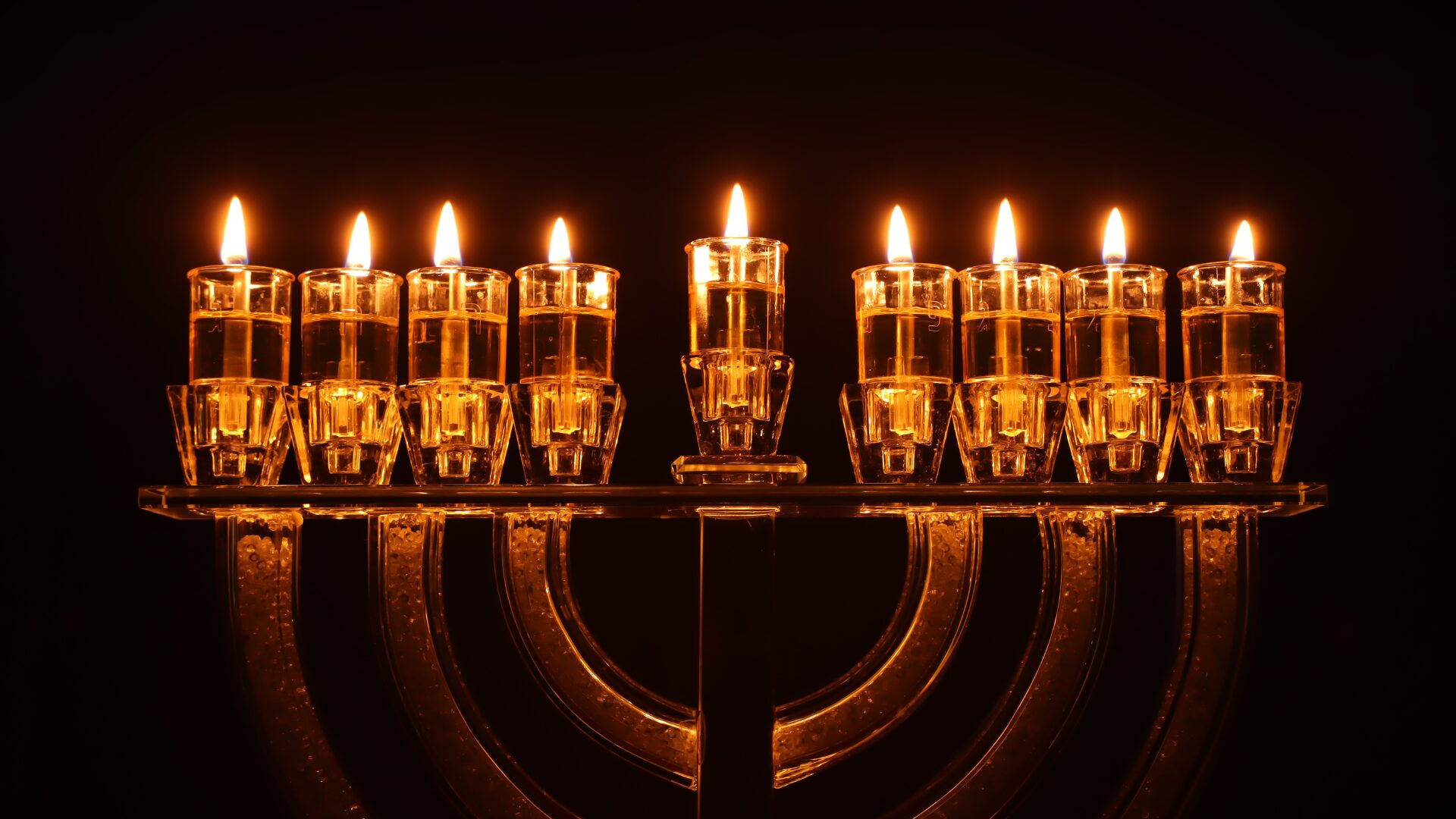
During their desert wanderings, light—now emanating from a seven-branched candlestick (menorah)—continued to burn. In every Jewish temple that existed thereafter, from the Temple of Solomon to the temple that Ezra and Nehemiah built after the Babylonian captivity, to Herod’s temple of the New Testament era, the eternal flame of God’s love waxes hot.
So hot, in fact, Solomon’s girlfriend references it: “Set me as a seal upon thine heart, as a seal upon thy arm: for love is as strong as death. . . the coals thereof are coals of fire, which hath a most vehement flame. Many waters cannot quench love, neither can the floods drown it: if someone were to offer all his possessions to buy love, the offer would be utterly despised” (Song of Solomon 8:6). In the Old Testament, the usual name for the intense heat—and light—of God’s presence is the Shekhinah, but Shalhavetyah (literally, the flame of the Lord) is used here.
The Jews maintained the light of their faith during the oppression of Antiochus IV Epiphanes. What a miracle that was! Mentioned in passing in John 10:22, the origins of Hannukah (aka The Feast of Dedication) are found in 1 Maccabees 4:29-59. The miracle of Hannukah oil recalls an earlier miracle described in 2 Kings 4:1, where a creditor plans to enslave a poor widow’s sons. The intended heist fails. Instead, the widow pours the oil she has into jars and pays off her debt.
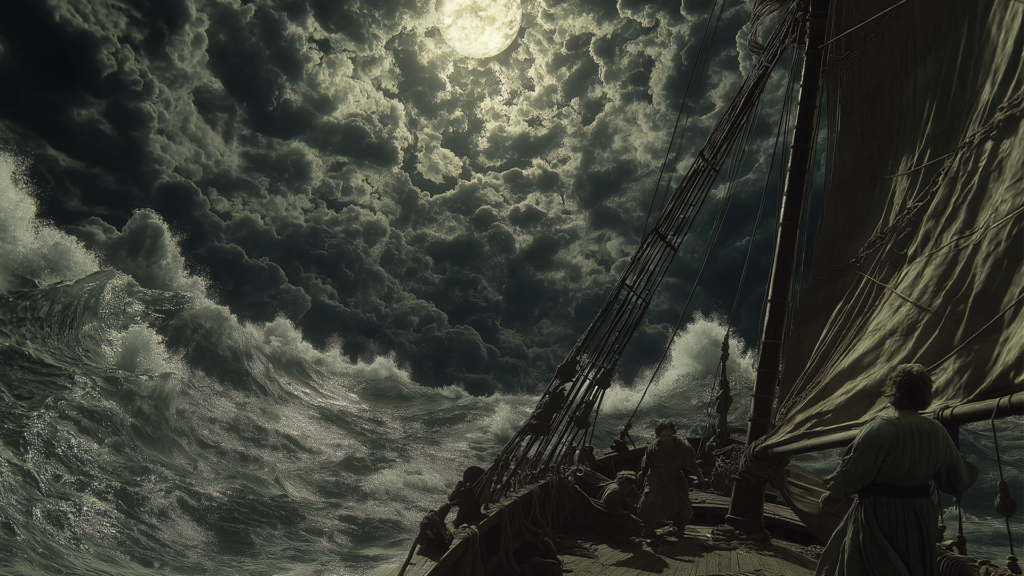
Did Shalhavetyah begin with the Maccabees? No, like Billy Joel said, “It was always burning since the world’s been turning”. Always burning, even before the fiery sword guarded the tree of Eden. Always burning, beyond the heat of God’s presence at Sinai/Horeb. Indeed, “Light shines in darkness, but darkness cannot grasp it” (John 1:5). Soon, light would be associated with Jesus (“I am the light of the world”), the early Christians (“you are the light of the world”) and later, Protestant Christians who were known as the Vaudois/Waldenses.
Indeed, “the light shines in darkness” was the motto of the Waldenses throughout the Middle Ages. The Waldenses were hunted out and killed with an unnerving brutality decried by the poet John Milton in Sonnet XVIII (“On the Late Massacre in Piedmont”). But their faith in God held.
The world was shocked at the events of October 7, 2023 (Simchat Torah) in Gaza, and 14 December, 2025 (Hannukah) in Bondi, but perhaps it shouldn’t be. This has happened before. The Empires of Medo-Persia, Greece, Rome and the Holy Roman Empire oppressed Jews and eventually, Protestant Christians too. Nevertheless, faith in God’s Word is our rule of life and no amount of persecution will ever change that.
Still, we pray for a better world. A world where people don’t hate one another. A world where people take the time to examine their prejudices and seek to patiently understand. A world where people seek to promote fairness, show kindness and learn to agree with God. It’s the best way to live, and there will be no peace and safety if humanity does not learn to apply the principles of Micah 6:8. Wouldn’t it be wonderful if those in power studied how to love rather than to harm people, practised kindness rather cruelty and truly took the time to examine, from God’s Word, how to live, work and pray better? How can each one of us help?
When the Creator says, “Let there be light,” there is light. On 14 December 2025, evil tried to steal joy from worshippers at Bondi Beach, but it failed. Instead, the light went viral. In NSW, the state where the violence occurred, the Sydney Opera house was lit up with blue, white and a menorah. In Tasmania, the Tasman bridge was lit up white and blue. At Bondi Pavilion, the grass is covered a sea of flowers. When hate bids for supremacy, Australia’s heart goes out to Jews. But what about the rest of the time?
As Anti-Semitism increases, Christians would do well to remember that Jesus is Jewish. The Saviour of the world, knowing only too well human propensity towards theological doubt, and exactly where each individual sits along the spectrum of fear to hate towards others, gave us a perfect demonstration of how to live, work and die. Breathe and sweat love. Work like nobody is watching. Stay humble to the last. In a proud, self-centred and angry world, how we need that!
There was no greater sacrifice of pride than that exhibited by Jesus on the cross. And there will be no greater love that the planet can be restored to than His for all eternity. Try as we might, nothing we do in this life will measure up to the glorious vision of what God has in store for us (Isaiah 64:4; 1 Corinthians 2:9). When God makes a new heavens and a new earth, as we’re told He will in 1 Peter 3:13 and Revelation 21:1, there’ll be no need for artificial light, because God himself, in all His goodness, His perfect, all-loving character, is its light. I can’t wait! What about you?
Bianca McArthur is an author and bulletin editor at Ulverstone Seventh-day Adventist Church.