When was the last time you were bored? Really, truly, unequivocally bored. Do you remember? For your sake, I hope so. Boredom traditionally has a negative connotation. “Only boring people get bored,” I was told growing up. And really, I don’t think any parent likes their kid whining, “Muuuum, I’m bored!” But boredom is important. Society tells us to find something to do, to keep busy, to fill in the gaps—and that’s exactly what we’ve done. We have filled the previously empty spaces of our lives with the 21st century. Because we don’t have to be bored, we choose not to be.
Social media apps like Instagram and YouTube cause our brains to release dopamine, known as the feel-good hormone. When we stop scrolling, our brains have to adjust to the sudden lack of dopamine, and we crave returning to our devices. Add in AI algorithms learning exactly what keeps us engaged, and we’re hooked.1
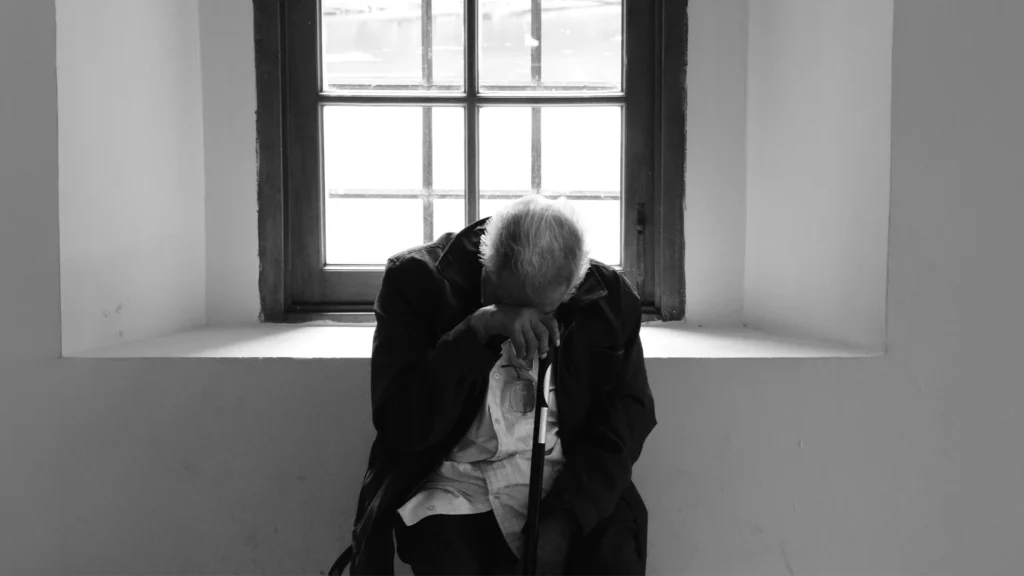
Generally, people associate younger generations with technology addiction, but older generations are not exempt. Elderly people experiencing loneliness or anxiety often turn to smart phones to find connection, which then can lead to a screen addiction, just like us “digital natives”.2 If you’ve fallen prey to this—and there’s no shame, I myself find it hard to resist the allure—maybe you’ve noticed how much harder it is now to simply do nothing. It’s more challenging to be by yourself for long stretches of time, without a phone or laptop, left alone with nothing but your own thoughts (scary!).
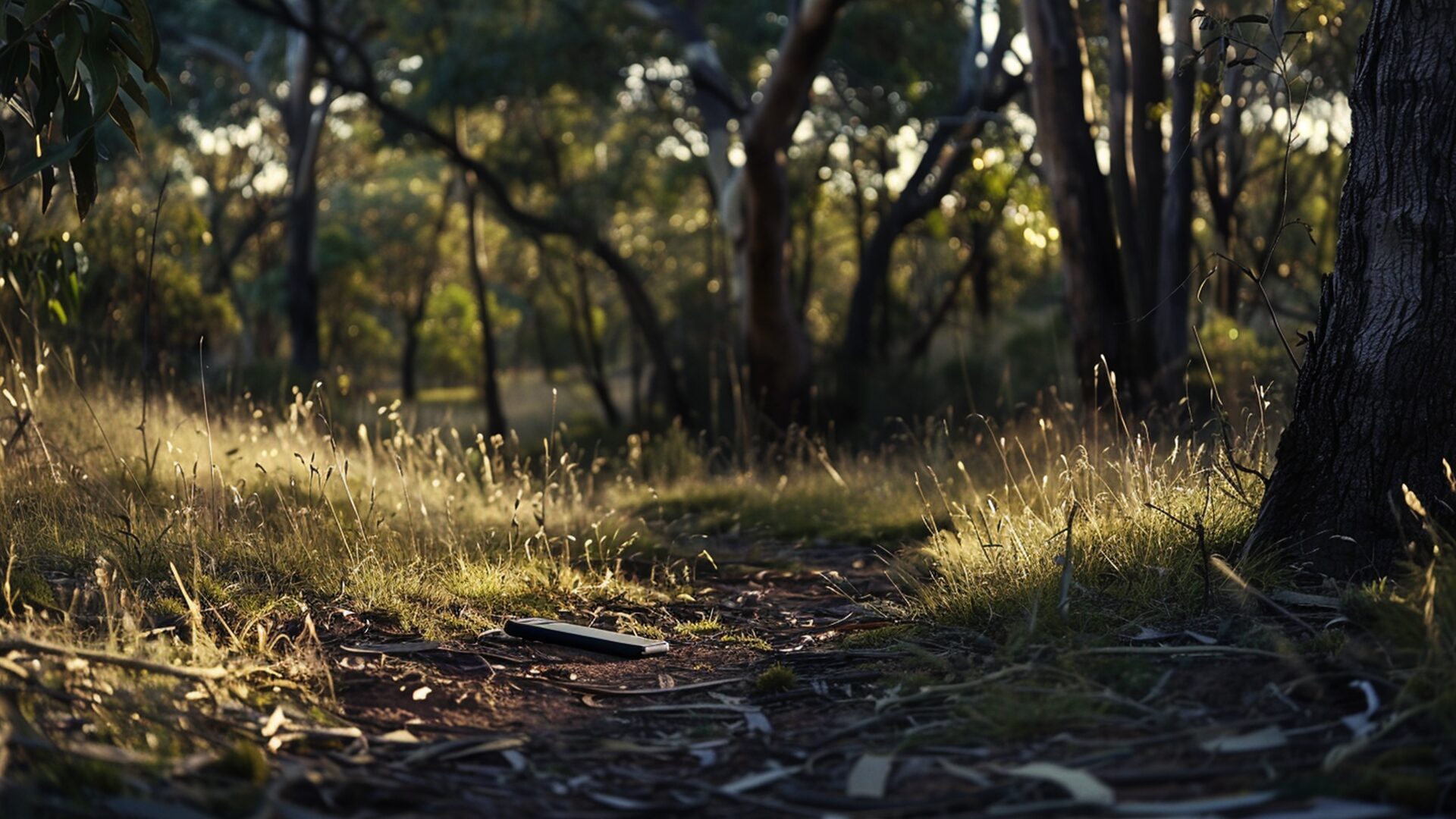
After scrolling or spending too much time on a screen I often feel frazzled and restless and find it difficult to focus, so a few years ago I decided I had to be a lot more intentional about my tech use. As someone who’s grown up with technology, I recognised I needed to unlearn these habits—and it’s still an ongoing process. I began calling intentional time without my phone “blank space”. I go on walks without my earbuds. I do tasks around the house or work on projects with my phone in the other room. And sometimes it’s very boring. However, when I create this space to be bored, my anxiety levels go down, my creativity goes up and I find it easier to focus.
However, it doesn’t just stop there. I’ve found that this spills over into my relationship with God. The verse “be still and know I am God” (Psalm 46:10) is very familiar to most people. It sounds so easy. There are entire songs and sermons on this phrase, on slowing down and sitting in the moment, just you and God—but no-one ever tells us how. And really, how are you supposed to sit and be still when your brain is overstimulated and running a hundred different directions? Reading your Bible won’t get you the same dopamine hit that your smartphone will. Devotionals are not fast paced—they’re thoughtful and require an atmosphere of just being able to sit and ponder.
1 Kings 19:12 says that the voice of God comes “in a gentle whisper”. I don’t want to miss that whisper because I rush through my devotional time. I don’t want to miss being still in the presence of my Creator because I can’t focus. I don’t want my relationship with Jesus to be shaped by the modern-day societal norm of filling every gap in my life without leaving space to just be still.
And so I challenge you to try and sit in the discomfort of being bored. Bring back those blank spaces to your life and learn to enjoy the quiet of your own thoughts so that you can meet God in the stillness without a constant tug towards something “more interesting”. Because at the end of the day, what could be more interesting than the God of the universe wanting a relationship with you?
- Goldman, Bruce. “Addictive potential of social media, explained.” Stanford Medicine News Center, Stanford University School of Medicine, Oct. 29, 2021.
- Yujing Xu, Kai Zeng, Lucong Dong, Xiaofen Zheng and Yuxiu Si. “Understanding older adults’ smartphone addiction in the digital age: Empirical evidence from China.” Frontiers in Public Health, vol. 11, 2023. DOI: 10.3389/fpubh.2023.1136494.